

How to Choose the Best Diabetic Footwear Shoes: A Complete Buying Guide
Foot care is an essential part of managing diabetes, yet it is often overlooked until problems arise. For individuals living with conditions like Diabetes, choosing the right footwear is not just about comfort, it is about protection, prevention, and long-term health.
The wrong pair of shoes can lead to serious complications such as blisters, pressure points, ulcers, and infections. On the other hand, the best diabetic footwear shoes are designed to reduce risk, improve mobility, and provide all-day comfort.
With so many options available, selecting the right pair can feel overwhelming. This guide will help you understand what to look for, what to avoid, and how to choose footwear that supports your foot health effectively.
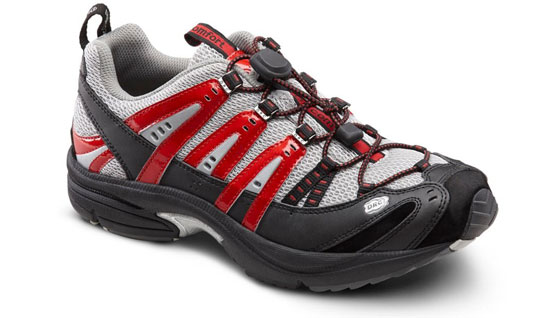
Why Diabetic Footwear Matters
People with diabetes often experience reduced blood circulation and nerve sensitivity in their feet. This condition, known as Peripheral Neuropathy, can make it difficult to feel pain or discomfort.
As a result, small issues like tight shoes or minor friction can go unnoticed and develop into serious complications. This is why standard footwear is often not suitable.
Medical footwear designed for diabetic individuals focuses on minimizing pressure, preventing injuries, and promoting proper foot alignment. Investing in the right shoes is a proactive step toward avoiding long-term health issues.
Key Features of the Best Diabetic Footwear Shoes
Choosing the right pair involves understanding the essential features that set diabetic shoes apart from regular footwear.
Wide Toe Box for Pressure Relief
One of the most important features to look for is a spacious design, often referred to as wide toe box shoes. These shoes allow your toes to move freely without being compressed.
A narrow toe box can create pressure points that lead to blisters or sores. A wider design reduces friction and improves overall comfort, especially for individuals with foot deformities such as bunions or hammertoes.
Seamless Interior to Prevent Friction
The interior of diabetic footwear should be smooth and free from rough seams. Even small stitching details can cause irritation when worn for extended periods.
Seamless construction minimizes the risk of skin damage and helps protect sensitive feet from unnecessary friction.
Cushioned Insoles for Comfort
Cushioning plays a crucial role in absorbing shock and reducing pressure on the feet. High-quality insoles provide support and help distribute weight evenly.
This is particularly important for those who spend long hours walking or standing, as it reduces strain and improves overall comfort.
Adjustable Fit for Better Support
The best diabetic footwear shoes often feature adjustable closures such as Velcro straps or laces. This allows for a customized fit, which is essential for accommodating swelling or changes in foot size.
A secure yet flexible fit ensures stability without causing tightness or discomfort.
Breathable Materials
Proper airflow is essential for maintaining foot health. Breathable materials help regulate temperature and reduce moisture buildup, which can lead to infections.
Look for shoes made from soft, flexible materials that allow air circulation while maintaining durability.
Understanding Different Types of Diabetic Footwear
Not all diabetic shoes are the same. Different styles are designed for different needs and lifestyles.
Diabetic Walking Shoes
Diabetic walking shoes are among the most popular options. They are designed for daily use and provide a balance of comfort, support, and durability.
These shoes are ideal for individuals who are active or spend a lot of time on their feet. They typically feature cushioned soles, wide toe boxes, and supportive structures that promote natural movement.
Therapeutic and Medical Footwear
Medical footwear is specifically designed for individuals with more advanced foot conditions. At Xceed Medical, these shoes often include additional features such as extra depth, custom orthotics compatibility, and enhanced support.
They are commonly recommended by healthcare professionals for people at higher risk of foot complications.
Casual and Everyday Options
Modern diabetic footwear is no longer limited to basic designs. Many brands now offer stylish options that combine functionality with aesthetics.
This allows individuals to maintain their personal style while still prioritizing foot health.
How to Choose the Right Fit
Fit is one of the most critical factors when selecting diabetic footwear. Even the best-designed shoes will not provide benefits if they do not fit properly.
Start by measuring your feet regularly, as size can change over time. It is also important to measure both feet, as one foot may be slightly larger than the other.
Shoes should fit comfortably from the start without requiring a break-in period. There should be enough space in the toe area, while the heel should fit securely without slipping.
Trying on shoes later in the day can help ensure a better fit, as feet tend to swell slightly over time.
The Role of Insoles and Orthotics
Insoles and orthotics can enhance the performance of diabetic footwear. Many shoes are designed to accommodate custom orthotics, which provide additional support and pressure relief.
These inserts help distribute weight evenly and reduce stress on sensitive areas of the foot. For individuals with specific medical needs, custom orthotics can be particularly beneficial.
How Proper Footwear Prevents Complications
Wearing the right shoes plays a significant role in preventing complications associated with diabetes.
Proper footwear reduces the risk of blisters, calluses, and ulcers. It also improves balance and stability, which can help prevent falls.
By minimizing pressure and friction, diabetic shoes protect the skin and underlying tissues. This is especially important for individuals with reduced sensation, as they may not notice early signs of injury.
When to Replace Diabetic Shoes
Even high-quality footwear does not last forever. Over time, shoes lose their structure and support, which can compromise their effectiveness.
Signs that it may be time to replace your shoes include worn-out soles, reduced cushioning, and visible damage. If the shoes no longer feel comfortable or supportive, it is best to consider a new pair.
Regularly replacing footwear ensures that you continue to receive the protection and support needed for foot health.
Tips for Buying the Best Diabetic Footwear Shoes
When shopping for diabetic footwear, it is important to take a thoughtful and informed approach.
Focus on comfort and fit above all else. Look for features such as wide toe boxes, cushioning, and breathable materials.
Consider your lifestyle and choose shoes that match your daily activities. For example, active individuals may benefit from walking shoes, while others may prefer more casual options.
Reading reviews and comparing different options can also help you make a better decision. Taking the time to research ensures that you invest in footwear that meets your needs.
Conclusion
Choosing the best diabetic footwear shoes is an important decision that can have a lasting impact on your health and quality of life. The right pair of shoes provides comfort, support, and protection, helping to prevent complications and improve mobility. Contact us today to find the right diabetic footwear that offers comfort, protection, and support for your everyday needs.
By understanding key features such as wide toe box shoes, diabetic walking shoes, and medical footwear, you can make an informed choice that supports your foot health.
Investing in the right footwear is not just about comfort it is about taking proactive steps to protect your well-being and maintain an active lifestyle.
FAQ
What are diabetic footwear shoes?
They are specially designed shoes that provide extra comfort, support, and protection for individuals with diabetes.
Why are wide toe box shoes important?
They reduce pressure on the toes and prevent friction, lowering the risk of blisters and sores.
Can diabetic shoes help prevent foot ulcers?
Yes, they are designed to minimize pressure and protect the skin, which helps reduce the risk of ulcers.
Are diabetic walking shoes suitable for daily use?
Yes, they are ideal for everyday activities and provide comfort and support for extended wear.
Do I need a prescription for diabetic footwear?
Not always, but consulting a healthcare professional is recommended for individuals with specific foot conditions.