

DIABETIC FOOTWEAR IN WISCONSIN
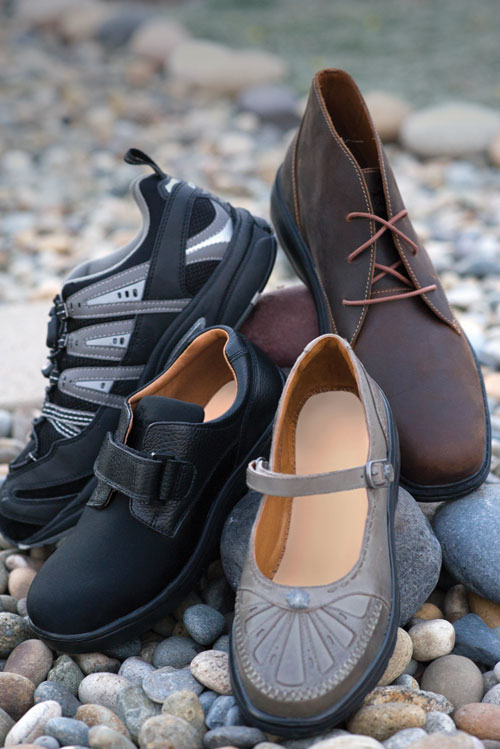
How are orthopedic diabetic walking shoes different?
If you’re living with diabetes, you need to take special care of your feet. That’s why we provide diabetic footwear in Wisconsin to help protect and give you relief from common yet dangerous problems. For most, those can include poor circulation, foot ulcers, numbness or, in severe cases, amputations.
Plus, because our shoes offer “extra-depth,” they can fit custom insoles and orthotics for better support and comfort as well. These orthopedic diabetic walking shoes allow space for additional protective inserts, helping improve foot alignment and overall comfort.
Does Medicare coverage matter to you? Then all shoes and inserts must be prescribed by your doctor and fitted by a certified foot care professional.
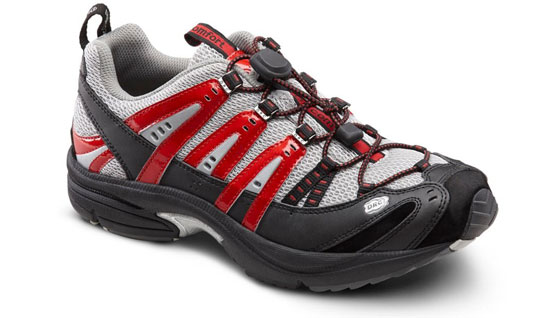
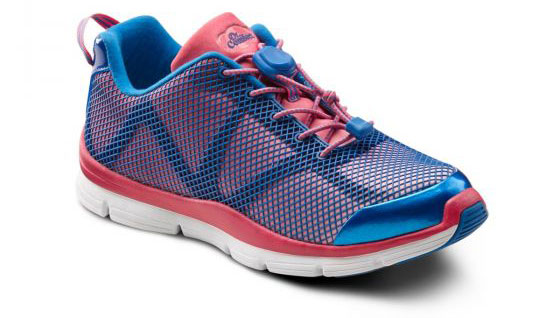
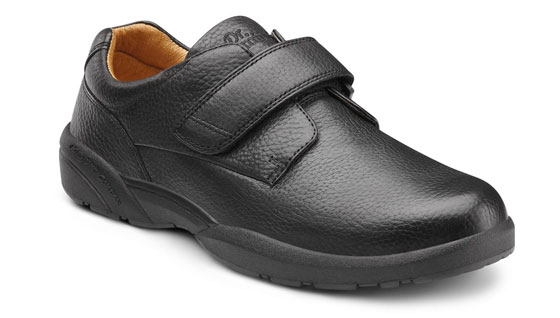
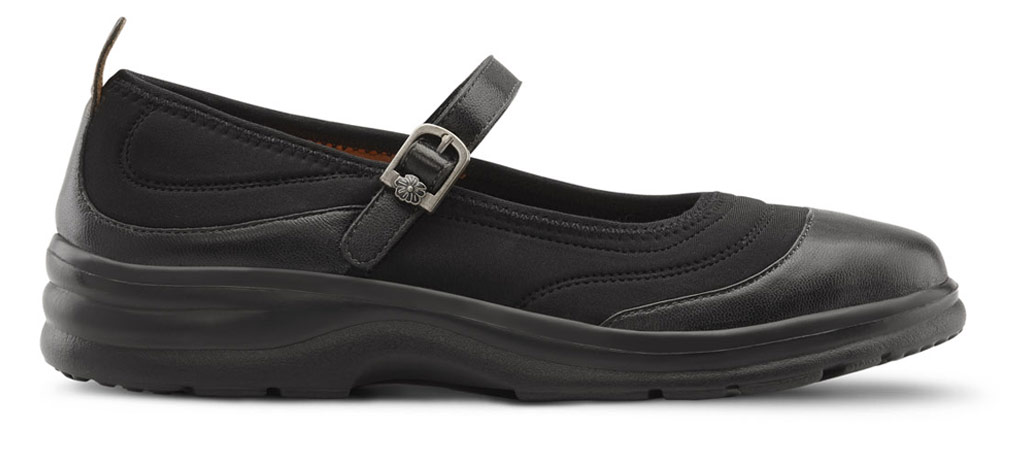
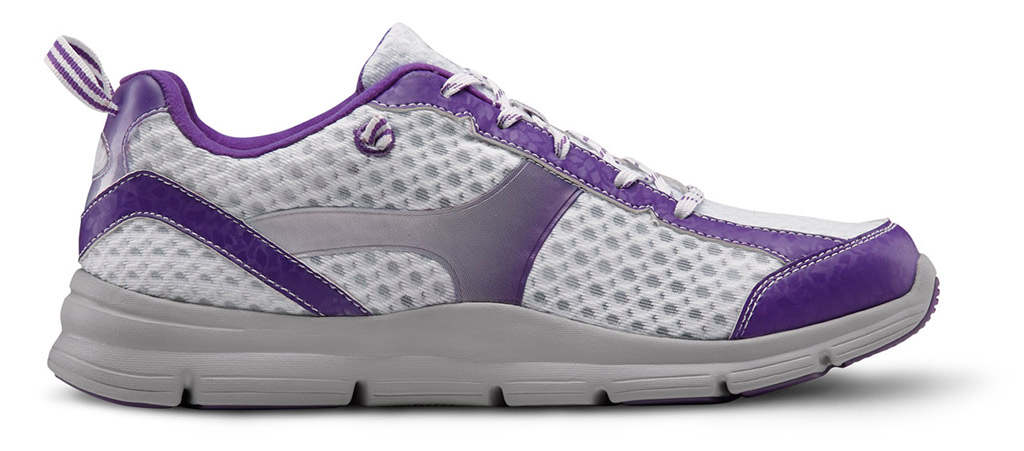
There are a variety of styles for men and women to choose from, like sneakers, boots, sandals, heels and more.
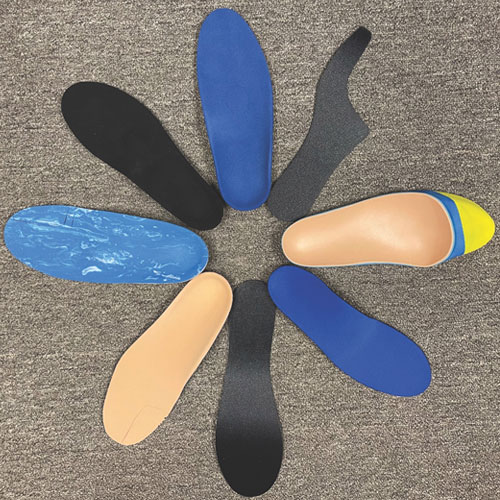
Custom Orthotics
Our clinic offers a wide range of foot support solutions that can complement diabetic footwear in Wisconsin and help improve comfort, stability, and protection for patients with diabetes.
- Carbon Fiber Plate
- Custom Diabetic Insoles and Shoes
- Custom Accommodative/Semi Rigid
- UCBL
- Custom Orthotic with Toe Filler
- Supra-Malleolar Orthotics (SMO)
- and more!
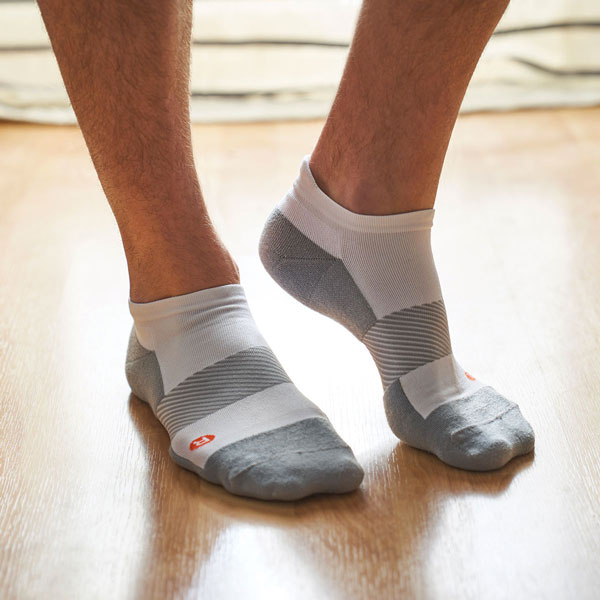
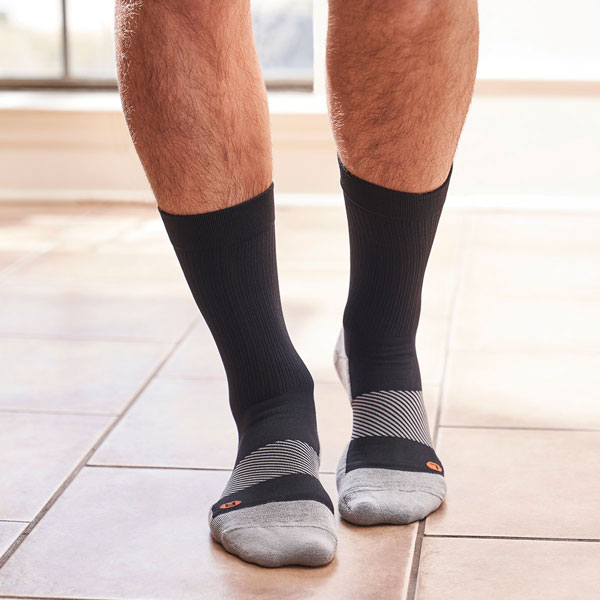
Diabetic Socks
Specialized diabetic socks are also designed to work alongside orthopedic diabetic walking shoes to improve comfort and protect sensitive feet.
- Anatomical left/right fit
- Supportive arch
- Light gradient compression
- Seamless construction
- Impact absorbing padding
- Silver infused, ultra-soft microfiber nylon and high bulk acrylic blend
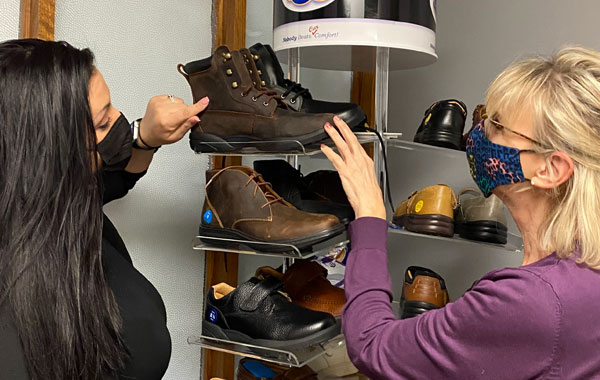
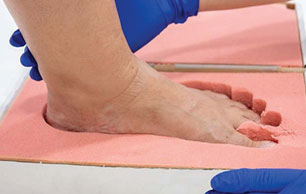
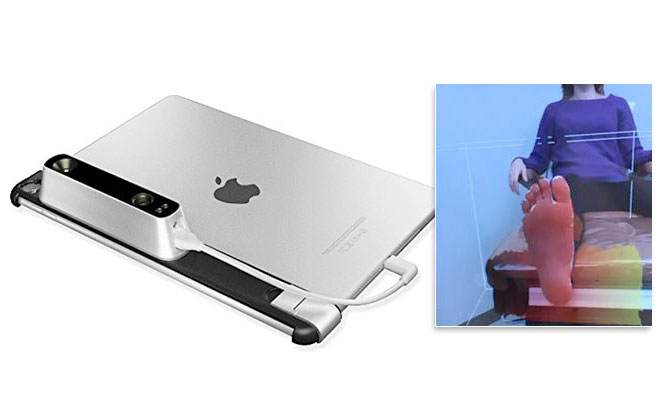
Footwear Matters
A high number of health risks and costs come from foot problems caused by diabetes. So getting fitted with the right footwear can help decrease ulcers and amputations.
The Importance of Foot Exams
By Billy Kanter, CPED
This foot exam consists of Three components:
- Discussing patient’s diabetes-related history
- Performing a physical foot exam which includes dermatologic (a barometer for early intervention), neurologic (determines protective sensation loss), musculoskeletal (identifying foot deformity) and vascular (check for PAD)
- Provides patient education on proper foot care and footwear
* This exam takes substantially less time to complete than a comprehensive exam and eliminates common barriers to frequent assessment
*Fact: A lack of appropriate patient education regarding diabetes is a factor in >90% of recurrent ulcers.
For The Patients
A foot exam is crucial in identifying your risk of diabetic foot syndrome, including ulcerations, neuropathy, and foot deformities. It is beneficial to combine your diabetes management and foot exam visits into one because it may help identify changes in your diabetes and prevent potential foot complications from arising. In addition, it allows for timely referrals and services for intervention, such as receiving a prescription for special orthopedic diabetic walking shoes which may be covered by Medicare. You can download this article, print it out and take it with you to your yearly diabetes management exam, and ask your physician to perform the 3-minute foot exam.
What You Need From Your Doctor For Insurance Coverage
Please help us process your order in a timely manner. That means before you can receive your diabetic footwear and Inserts, we will need the following:
1. Prescription for Diabetic Shoes and Inserts, including a valid diagnosis. This may come from a MD, DO, D.P.M., PA, or NP.
2. Notes from a doctor’s visit from the past 6 months that indicates your doctor is treating you for diabetes. The doctor must also do a thorough foot exam that indicates what secondary foot conditions you have. And why diabetic shoes will help. Secondary foot conditions have to be at least one of the following:
-
Poor circulation
-
Foot deformity (hammertoes, bunions, claw toes)
-
Peripheral neuropathy with evidence of callus formation
-
History of pre-ulcerative calluses
-
Previous foot ulcerations
-
History of amputations
3. Statement of Certifying Physician Form that is signed by the physician treating the patient for diabetes. We will send this to your doctor from Xceed Medical to fill in a sign.
4. Processing Time
-
Please note that the average time frame for getting all paperwork and insurance before approval is about 4-6 weeks.
-
To check the status of your order, please contact us at: 414-235-8552
Shoes for Stability as You Age
Increase Good Health & Balance
To prevent certain health issues, such as diabetes and high blood pressure, it is important to stay active as we age. But as we age, we tend to lose the protective fat on the bottoms of our feet, causing irritation, heel spurs, etc. It also becomes more difficult to maintain our balance. That is why you need the proper walking shoes and staying active.
Pronation
There are different types of shoes recommended for different types of issues. Pronation is a natural part of walking where your foot rolls inward to distribute the impact on landing. Depending on the size of your arch, if you over-pronate or under-pronate (also called supination) then you’ll need a different type of shoe.
Overpronators have a flat arch and an ankle that rolls too far inward, so their shoes will tend to wear on the inside sole. Motion control shoes are the best type for overpronators, they’re rigid and designed to equalize pronation. Many supportive orthopedic diabetic walking shoes are designed with motion control features to help improve stability and reduce strain on the feet.
Underpronators have a high arch with an ankle that rolls outward. They should have shoes with cushioned, thick heels and flexible midsoles. If you don’t have either of these issues you are a neutral walker. Your shoes will tend to wear at the toes and should be designed for stability. Talk to your podiatrist to find out what type of arch you have and what shoe would be best.
Choosing a Shoe
Xceed Medical has a great selection of footwear to choose from to address all different issues and givestability and balance, relief and comfort.
When trying on shoes for walking, keep the following tips in mind:
- Avoid backless shoes, your shoes should hug the heel so your foot does not slide out.
- Look for shoes with good ankle padding, a thick sole, and good arch support.
- They should have a wide base for better stability.
- Look for velcro or tie buckles if you have trouble tying laces. Many shoes will have both styles so be sure to ask if you don’t see them.
- Try to get lightweight shoes.
- Talk to your podiatrist.
- Visit Xceed Medical to get your personalized fitting with our great selections of shoes, slippers, insoles and inserts , for protective diabetic footwear in Wisconsin.
Find the Right Diabetic Footwear for Comfort & Protection
Protecting your feet starts with the right support. At Xceed Medical, we offer professionally fitted diabetic footwear in Wisconsin designed to improve stability, reduce pressure points, and keep your feet comfortable throughout the day. Our specialists will assess your foot structure, walking pattern, and medical needs to recommend footwear that provides the right balance of protection, support, and mobility. Schedule your fitting today and discover how properly fitted orthopedic diabetic walking shoes can help you stay active, comfortable, and confident every step of the way.
Frequently Asked Questions
People diagnosed with diabetes, especially those experiencing reduced circulation, nerve damage, or foot deformities, should consider wearing diabetic footwear in Wisconsin. These shoes are designed to protect sensitive feet and help reduce the risk of irritation, ulcers, and other complications.
Orthopedic diabetic walking shoes are built with extra depth, soft interiors, and protective cushioning to minimize pressure and friction. These features help reduce the chances of skin irritation, blisters, and pressure sores that can develop in sensitive feet.
Yes. Properly fitted diabetic footwear in Wisconsin can improve overall walking comfort by providing better support, shock absorption, and stability. This helps reduce strain on the feet and allows individuals to stay active more comfortably.
Absolutely. Orthopedic diabetic walking shoes are designed for daily wear and come in a variety of styles, including casual shoes, athletic styles, and supportive walking shoes, making them suitable for both indoor and outdoor activities.
Yes. Wearing diabetic footwear in Wisconsin can help reduce the risk of foot injuries by protecting the feet from excessive pressure, friction, and impact. This is particularly important for individuals who may have reduced sensation due to neuropathy.
A professional fitting ensures that orthopedic diabetic walking shoes provide the right level of support, depth, and comfort. Properly fitted footwear helps distribute pressure evenly across the foot, improving protection and long-term foot health.