
Living with diabetes requires careful attention to many aspects of health, and foot care is…
Signs of diabetic foot problems and Footwear Needs
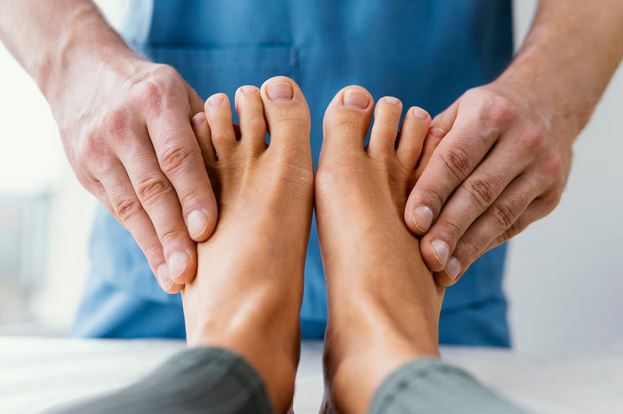 Diabetes affects multiple parts of the body, but the feet are particularly vulnerable. Many people ignore early warning signs until complications become serious. Recognizing these signs early can help prevent long-term damage and improve overall health.
This blog focuses on identifying the early signs of diabetic foot problems and understanding when specialized footwear becomes necessary. With proper awareness and preventive care, many complications can be avoided.
Understanding Diabetic Foot Problems
Diabetic foot problems arise due to prolonged high blood sugar levels that damage nerves and blood vessels. These changes can reduce sensation and slow down healing, increasing the risk of infections and injuries.
How Diabetes Affects Foot Health
- Nerve damage, known as neuropathy
- Reduced blood circulation
- Increased susceptibility to infections
These factors combined make even minor foot issues potentially serious. Early identification is essential for effective management.
Early Signs of Diabetic Foot Problems
Recognizing symptoms early can help prevent complications and improve outcomes.
Persistent Tingling or Numbness
One of the most common diabetic neuropathy symptoms is a tingling or numb sensation in the feet. This may start gradually and worsen over time. Loss of sensation increases the risk of unnoticed injuries, making protective measures such as proper footwear important.
Burning or Sharp Pain
Some individuals experience burning sensations or sudden sharp pains in their feet. These symptoms can indicate nerve damage and should not be ignored.
Dry or Cracked Skin
Diabetes can reduce moisture in the skin, leading to dryness and cracks. These cracks can become entry points for infections if left untreated.
Swelling in the Feet
Swelling may indicate poor circulation or underlying issues. It can also make it difficult to wear regular shoes comfortably.
Slow Healing Wounds
Delayed healing is a key warning sign. Even small cuts or blisters that take longer than usual to heal should be taken seriously.
When Should You Consider Specialized Footwear
Not everyone with diabetes immediately requires specialized shoes, but certain signs indicate the need for additional protection.
Frequent Foot Injuries
If you often notice cuts, blisters, or bruises on your feet, it may be due to improper footwear or reduced sensation.
Development of Calluses or Corns
Thickened skin areas can lead to pressure points and increase the risk of ulcers.
Changes in Foot Shape
Conditions such as swelling or deformities can make regular shoes unsuitable, increasing the need for better-fitting options.
History of Foot Ulcers
Individuals with previous ulcers are at a higher risk of recurrence. Proper footwear plays a key role in foot ulcers prevention.
Diabetic Footwear Shoes
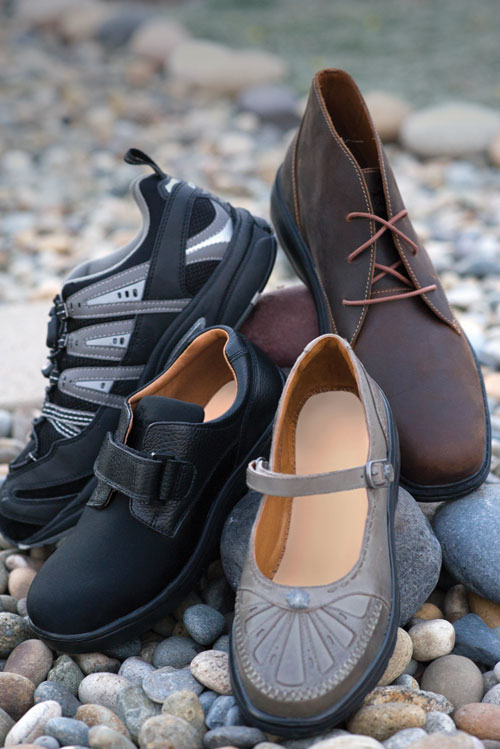
Diabetic footwear shoes are designed to reduce pressure, protect sensitive areas, and improve comfort for individuals with diabetes. These diabetic footwear shoes are an important part of managing diabetic foot problems, especially those experiencing early symptoms. These shoes typically include features such as cushioned insoles, seamless interiors, and extra depth. Their design helps prevent irritation and supports better foot health.
The Connection Between Neuropathy and Footwear
Neuropathy affects the nerves, leading to reduced sensation in the feet. This means injuries may go unnoticed until they become severe.
Common diabetic neuropathy symptoms include:
- Tingling or numbness
- Loss of sensation
- Increased sensitivity to touch
- Pain or discomfort
Specialized footwear helps reduce the risk of injury by providing cushioning and minimizing friction.
Importance of Foot Ulcers Prevention
Foot ulcers are one of the most serious complications associated with diabetes. They can develop from minor injuries and worsen quickly due to poor healing.
Preventive measures include:
- Regular foot inspections
- Maintaining proper hygiene
- Wearing appropriate footwear
Foot ulcers prevention is not just about treatment but about avoiding the conditions that lead to ulcers in the first place.
Key Features to Look for in Specialized Footwear
Choosing the right footwear can make a significant difference in managing diabetic foot problems.
Proper Fit
Shoes should not be too tight or too loose. A proper fit helps prevent friction and pressure points.
Cushioning and Support
Adequate cushioning reduces impact and protects sensitive areas of the foot.
Seamless Interior
Seamless designs minimize irritation and reduce the risk of skin damage.
Breathable Materials
Good airflow helps keep the feet dry and reduces the risk of infection.
Role of Footwear in Preventing Complications
Wearing the right footwear is not only about comfort but also about protection. It reduces the likelihood of injuries and helps manage existing conditions. For individuals experiencing early diabetic foot problems, switching to specialized footwear can prevent further complications and support better mobility.
Daily Foot Care Practices
Footwear alone is not enough. A comprehensive approach to care is essential.
- Inspect your feet daily for any changes
- Wash and dry your feet thoroughly
- Avoid walking barefoot
- Use appropriate socks
Combining these practices with proper footwear enhances overall foot health.
When to Seek Medical Advice
Certain symptoms require immediate attention from a healthcare professional:
- Open wounds or ulcers
- Severe pain or swelling
- Signs of infection such as redness or discharge
Early medical intervention can prevent complications and improve outcomes.
How XCEED MEDICAL Supports Foot Health
XCEED MEDICAL focuses on providing solutions that support individuals managing diabetic foot problems. Their approach emphasizes comfort, safety, and functionality in footwear design. By addressing the specific needs of diabetic patients, XCEED MEDICAL contributes to better foot care and prevention strategies.
Long-Term Benefits of Specialized Diabetic Footwear
Investing in proper footwear offers long-term advantages:
- Reduced risk of injuries and ulcers
- Improved comfort during daily activities
- Better overall foot health
- Enhanced quality of life
Early adoption of preventive measures can significantly reduce complications associated with diabetes.
Conclusion
Recognizing the early signs of diabetic foot problems is essential for preventing serious complications. Symptoms such as numbness, pain, or slow healing wounds should not be ignored. Specialized footwear plays a crucial role in protection and prevention. Combined with regular foot care and medical guidance, it can help individuals manage their condition effectively.
Solutions from XCEED MEDICAL can support this journey by offering footwear designed to meet the specific needs of diabetic patients. Taking proactive steps today can lead to healthier outcomes in the future.
FAQ
What are the early signs of diabetic foot problems
Early signs include numbness, tingling, pain, dry skin, and slow healing wounds.
When should I start using specialized footwear
You should consider specialized footwear if you experience frequent foot injuries, neuropathy symptoms, or changes in foot shape.
How do diabetic footwear shoes help
They reduce pressure, prevent friction, and protect the feet from injuries, supporting overall foot health.
Can specialized footwear prevent foot ulcers
Yes, proper footwear plays a key role in foot ulcers prevention by minimizing pressure points and protecting the skin.
Are diabetic neuropathy symptoms reversible
In some cases, symptoms can be managed or improved with proper care, but early intervention is important.
How often should I check my feet
It is recommended to inspect your feet daily to identify any changes or issues early.
Related Posts