

Wondering who qualifies for Medicare diabetic shoes? Learn the specific medical conditions and certification requirements for coverage under Medicare Par...
Preventing Foot Complications for People with Diabetes
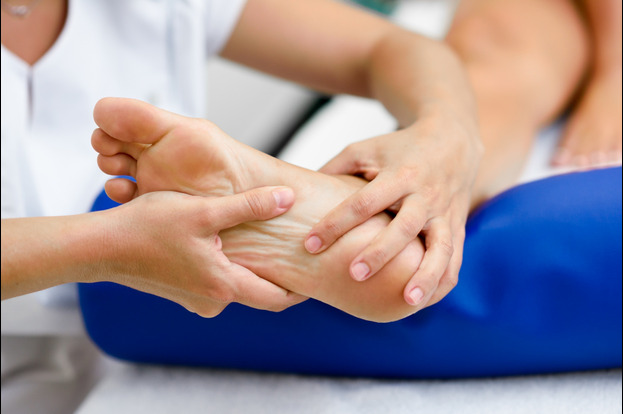 Living with diabetes requires consistent attention to overall health, and foot care is one of the most critical aspects. High blood sugar levels can damage nerves and reduce blood flow, increasing the risk of infections, ulcers, and serious complications. By following effective diabetic foot care tips, individuals can significantly lower the chances of developing foot problems and maintain long-term mobility and comfort.
This guide focuses on preventive care strategies tailored for diabetic patients, helping you understand how to protect your feet and improve overall diabetic foot health.
Understanding Why Foot Care Matters in Diabetes
Diabetes can lead to two major conditions that affect the feet:
Nerve Damage (Neuropathy)
Peripheral neuropathy reduces sensation in the feet, making it difficult to detect cuts, blisters, or injuries. Without timely attention, minor issues can escalate into severe infections.
Poor Blood Circulation
Reduced circulation slows down the healing process. Even small wounds may take longer to heal, increasing the risk of complications such as infections or foot ulcer prevention challenges.
Common Foot Complications in Diabetic Patients
Understanding potential risks is the first step toward prevention.
Foot Ulcers
Open sores or wounds that develop due to pressure, friction, or unnoticed injuries.
Infections
Cuts or blisters can become infected if not treated promptly.
Calluses and Corns
These can build up due to uneven pressure and may lead to skin breakdown.
Deformities
Conditions like hammertoes or bunions can increase pressure points, raising the risk of ulcers.
Daily Diabetic Foot Care Tips
Consistent daily habits are essential for maintaining healthy feet.
Inspect Your Feet Daily
Check for cuts, redness, swelling, blisters, or nail issues. Use a mirror if needed to see the soles of your feet.
Wash and Dry Carefully
Wash your feet with lukewarm water and mild soap. Dry thoroughly, especially between the toes, to prevent fungal infections.
Moisturize Your Skin
Apply a gentle moisturizer to prevent dryness and cracking. Avoid applying lotion between the toes.
Trim Nails Properly
Cut nails straight across and file the edges to avoid ingrown toenails.
Never Walk Barefoot
Even indoors, always wear protective footwear to reduce the risk of injury.
Footwear Choices and Their Role in Prevention
Proper footwear plays a vital role in diabetic foot health.
Features to Look For in Footwear
- Soft, breathable material
- Proper cushioning and support
- Wide toe box to reduce pressure
- Seamless interiors to prevent friction
If you are searching for diabetic footwear near me, ensure that the footwear is specifically designed for medical use and provides adequate support and protection.
Foot Ulcer Prevention Strategies
Preventing ulcers is a key goal for individuals with diabetes.
Reduce Pressure Points
Use cushioned insoles or orthotic support to distribute pressure evenly across the foot.
Avoid Tight Shoes
Ill-fitting shoes can cause friction and lead to blisters or sores.
Manage Blood Sugar Levels
Keeping blood sugar under control helps maintain nerve function and promotes better circulation.
Seek Early Treatment
Address even minor foot issues immediately to prevent them from worsening.
Importance of Regular Medical Checkups
Routine foot examinations by a healthcare professional are essential.
What to Expect During a Foot Exam
- Assessment of blood circulation
- Nerve sensitivity tests
- Skin and nail inspection
- Identification of pressure points
Regular checkups help detect potential issues early and support effective foot ulcer prevention.
Lifestyle Habits That Support Healthy Feet
Your daily lifestyle choices can directly impact foot health.
Maintain a Healthy Diet
Balanced nutrition helps control blood sugar levels and supports healing.
Stay Physically Active
Regular exercise improves circulation, which is essential for foot health.
Quit Smoking
Smoking restricts blood flow, increasing the risk of complications.
Warning Signs That Require Immediate Attention
Do not ignore these symptoms:
- Persistent pain or swelling
- Changes in skin color
- Non-healing wounds
- Signs of infection such as redness or discharge
Early intervention can prevent serious complications and protect long-term mobility.
Special Care for High-Risk Individuals
Some individuals may have a higher risk of complications.
Who is Considered High Risk
- People with existing neuropathy
- History of foot ulcers
- Poor circulation
- Foot deformities
These individuals should follow stricter diabetic foot care tips and seek more frequent medical evaluations.
The Role of Education in Preventive Care
Understanding proper foot care empowers patients to take control of their health.
Benefits of Patient Education
- Early detection of issues
- Improved self-care practices
- Reduced risk of complications
- Better quality of life
Healthcare providers play an important role in educating patients about maintaining diabetic foot health.
Simple Daily Routine for Healthy Feet
Creating a routine makes preventive care easier to follow.
Morning:
- Inspect feet before wearing shoes
- Choose appropriate footwear
Evening:
- Wash and dry feet thoroughly
- Check for any signs of injury
Consistency is key to effective foot ulcer prevention.
Common Mistakes to Avoid
Even small mistakes can lead to serious problems.
- Ignoring minor cuts or blisters
- Wearing tight or uncomfortable shoes
- Skipping daily foot inspections
- Using harsh chemicals on the skin
Avoiding these mistakes supports long-term foot health and reduces complications.
Conclusion
Preventing foot complications in diabetes requires a proactive and consistent approach. By following essential diabetic foot care tips, maintaining proper hygiene, choosing appropriate footwear, and seeking timely medical care, individuals can significantly reduce the risk of serious issues.
Preventive care is not complicated, but it does require awareness and discipline. Small daily habits can make a significant difference in protecting your feet and overall health. For those looking for reliable support and solutions, XCEED MEDICAL emphasizes the importance of education, prevention, and proper care to help individuals maintain healthy, complication-free feet.
Frequently Asked Questions (FAQ)
What are the most important diabetic foot care tips?
Daily inspection, proper hygiene, wearing suitable footwear, and managing blood sugar levels are the most important practices.
How can I prevent foot ulcers?
Focus on reducing pressure, wearing well-fitted shoes, and addressing any foot injuries immediately to support effective foot ulcer prevention.
Why is footwear important for diabetic patients?
Proper footwear reduces pressure, prevents injuries, and improves overall diabetic foot health.
How often should diabetic patients check their feet?
Feet should be checked daily at home and examined regularly by a healthcare professional.
When should I see a doctor for foot problems?
Seek medical attention if you notice any wounds, infections, swelling, or changes in skin color that do not improve quickly.
Related Posts

