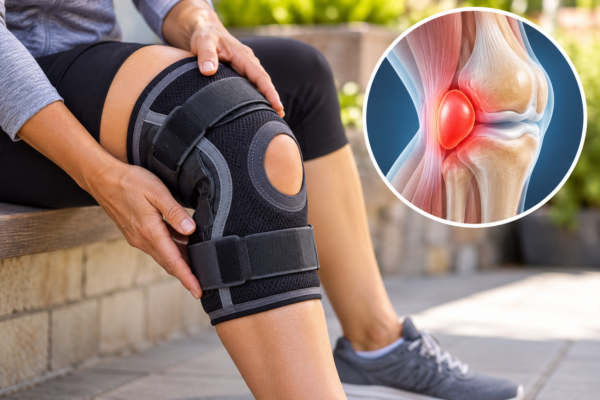

Does a brace help bursitis? Learn how bracing reduces pain and inflammation in joints like the knee or elbow by providing support and compression. Explor...
What Type Of Knee Brace Do I Need?
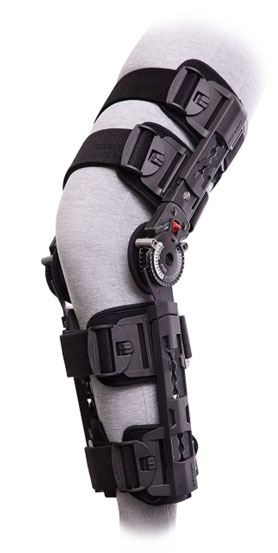 If you’re asking, ‘what type of knee brace do I need?‘, you are taking a critical first step toward managing knee pain, preventing injury, or supporting your recovery. The knee is a complex joint, and the market is filled with a dizzying array of braces, sleeves, and supports. Consequently, choosing the correct one is essential for effective treatment and to avoid causing further harm. This guide provides a clear overview of the primary types of knee braces to help you make an informed decision.
Importantly, a knee brace works by providing external support to a joint that may be unstable, weak, or painful. Depending on their design, they can offer stability, limit harmful motion, reduce pain by offloading pressure, or protect against impact. Therefore, the right brace for you depends entirely on your specific condition, activity level, and the advice of a healthcare professional.
What Are the Main Categories of Knee Braces?
Knee braces are generally classified into four main categories based on their function. Understanding these distinctions is the key to finding the support you need. Furthermore, each type is designed for different scenarios, from preventing injuries on the athletic field to aiding recovery after major surgery.
Prophylactic Braces: For Injury Prevention
Prophylactic braces are designed to prevent or reduce the severity of knee ligament injuries, particularly in contact sports. For example, football linemen often wear these to protect their knees from the valgus forces that can damage the Medial Collateral Ligament (MCL). These braces typically feature rigid bars on one or both sides of the knee with hinges that allow for normal flexion and extension. However, their effectiveness is a topic of ongoing debate, and they are best used as part of a comprehensive injury prevention program that includes proper conditioning and technique.
Functional Braces: For Existing Instability
Functional braces are used to support knees that have already sustained an injury, such as a tear of the Anterior Cruciate Ligament (ACL). These braces are designed to compensate for the damaged ligament by controlling rotation and providing stability, allowing an individual to return to activity more safely. Additionally, they are often custom-fitted to provide maximum support and comfort. If you have an unstable knee from a previous injury, a functional brace can provide the confidence and mechanical support needed for daily activities and sports. They are a common component of non-surgical treatment plans.
Rehabilitative Braces: For Post-Surgery Recovery
Following knee surgery, a rehabilitative brace is often used to protect the healing ligaments and grafts. These braces are designed to limit motion in a controlled way. For instance, your surgeon can set the hinges to allow a specific range of motion, which can be gradually increased as your knee heals. This controlled movement protects the surgical repair while preventing the joint from becoming too stiff. Consequently, these braces are a crucial tool for a safe and structured recovery period, typically lasting for several weeks after an operation.
Unloader (Offloader) Braces: For Arthritis Pain
Unloader braces are specifically designed for people suffering from osteoarthritis, particularly when it affects only one side of the knee joint (unicompartmental osteoarthritis). These braces work by applying pressure to the thigh bone, which shifts weight away from the painful, arthritic part of the knee. As a result, they can significantly reduce pain and improve function, potentially delaying the need for knee replacement surgery. They are an excellent non-invasive option for managing arthritis symptoms and improving quality of life. For more information on managing joint pain, you may find authoritative resources like the American Academy of Orthopaedic Surgeons helpful.
Answering the Question: What Type of Knee Brace Do I Need?
Now that you understand the categories, you can better determine which brace might be right for you. The answer to ‘what type of knee brace do I need?‘ is directly linked to your diagnosis or goal. Here is a simple breakdown:
- For Osteoarthritis Pain: An unloader brace is the most common and effective choice to relieve pressure on the affected joint compartment.
- For an ACL, PCL, or other Ligament Injury: A functional brace is typically recommended to provide stability to the unstable knee during activity.
- For Post-Operative Healing: A rehabilitative brace will be prescribed by your surgeon to control motion and protect the knee as it recovers.
- For Sports Injury Prevention: A prophylactic brace may be considered for athletes in high-risk, contact sports, though it should be part of a broader prevention strategy.
- For Minor Pain or Sprains: A simple neoprene sleeve or compression brace (not discussed above) can provide warmth and mild support, which is often sufficient for minor issues.
How to Ensure the Right Fit and Function
Choosing the right type of brace is only half the battle. A poor-fitting brace can be ineffective and may even cause other problems, such as skin irritation or altered walking mechanics. Therefore, proper fitting is paramount. For off-the-shelf braces, follow the manufacturer’s sizing guide carefully, usually by measuring the circumference of your thigh and calf. For more complex functional or unloader braces, a custom fit from a professional is often necessary. Similarly, it’s important to consider other other pain relief orthotics that might complement your treatment. If you are unsure about sizing or the correct model for your needs, it is always best to consult with a specialist.
Key Takeaways for Choosing Your Brace
Navigating the world of knee supports can be complex, but understanding the fundamental differences makes the process much clearer. Prophylactic braces aim to prevent, functional braces support existing injuries, rehabilitative braces aid post-surgical healing, and unloader braces relieve arthritis pain. Each serves a distinct and important purpose.
Finally, the most critical factor in your decision should be a proper diagnosis from a healthcare provider. Self-diagnosing can lead to choosing the wrong support, which can delay proper healing or worsen an injury. Ultimately, determining what type of knee brace do I need is a collaborative process between you and a medical professional. With the right information and expert guidance, you can find the support you need to get back on your feet. Explore our comprehensive knee bracing solutions to see how we can help you on your journey to recovery and stability.
Related Posts