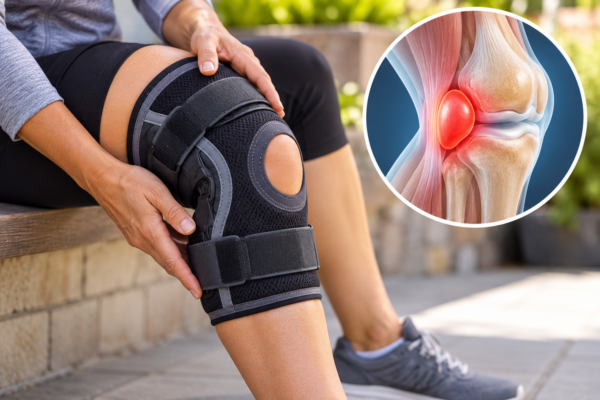

Does a brace help bursitis? Learn how bracing reduces pain and inflammation in joints like the knee or elbow by providing support and compression. Explor...
Will A Brace Help After A Knee Replacement?
 Many patients ask, Will a brace help after a knee replacement? The answer is often yes, but it depends on several factors, including your surgeon’s protocol, your specific recovery needs, and the type of brace used. Following a total knee arthroplasty (TKA), a brace can provide crucial support, manage swelling, and improve your confidence as you return to daily activities. Therefore, understanding the role of a knee brace is a key part of a successful rehabilitation journey. This guide will explore the benefits, types, and proper use of post-operative knee braces.
What is the Purpose of a Knee Brace Post-Surgery?
After a major surgery like a knee replacement, your joint and surrounding muscles are in a vulnerable state. A knee brace serves several important functions to protect the joint and promote healing. Importantly, its primary goal is to provide stability. The new implant needs time to integrate, and your muscles will be weak. A brace helps prevent unnatural movements or buckling, which could damage the surgical site or cause a fall.
Additionally, many post-operative braces offer compression. This gentle pressure helps to manage swelling and edema, which are common after surgery. By controlling fluid buildup, a brace can consequently reduce pain and improve your knee’s range of motion more quickly. This compression also enhances proprioception—your body’s awareness of its position in space. This improved feedback can make you feel more stable and confident when walking.
Why Will a Brace Help After a Knee Replacement Most Effectively?
The effectiveness of a brace is not uniform for every patient or every stage of recovery. For example, in the immediate post-operative period, a surgeon might prescribe a rigid, locked brace to completely immobilize the knee. As you begin physical therapy, this may be adjusted to allow for a controlled range of motion. The question of will a brace help after a knee replacement becomes particularly relevant for patients experiencing significant muscle weakness or feelings of instability.
Furthermore, a brace can be a valuable tool when you are cleared to increase your activity levels. It provides an extra layer of protection and support as you challenge the new joint. For some individuals, especially those with pre-existing ligamentous laxity, a brace might be recommended for longer-term use during specific activities. Ultimately, discussing your specific symptoms and recovery goals with your doctor is the best way to determine if a brace is right for you and for how long you should use it. Proper guidance is essential for choosing the right type of knee brace for your situation.
Types of Braces Used After Knee Replacement
Not all knee braces are created equal. The type you may need depends on your surgeon’s preference and your specific recovery phase. Understanding the differences is crucial for your rehabilitation.
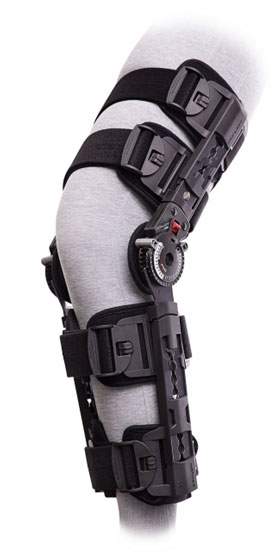
- Rehabilitative Braces: These are often large, hinged braces prescribed directly by your surgeon. They have adjustable settings that can lock the knee in full extension or allow for a specific, controlled range of motion. As your recovery progresses, your therapist will adjust these settings to gradually increase movement.
- Hinged Knee Braces: A step down from rehabilitative braces, these provide strong medial and lateral support. They are ideal for patients who have good range of motion but still feel unstable during activities like walking or climbing stairs. They help prevent the knee from giving way.
- Compression Sleeves: Made of elastic material, these provide minimal structural support. Their primary function is to control swelling and improve proprioception. They are comfortable and can be worn for extended periods, but they do not protect the joint from instability in the same way a hinged brace does.
- Unloader Braces: While less common immediately after a replacement, these may be used if there is residual pain concentrated on one side of the knee. They work by shifting pressure from the affected area to a healthier part of the joint.
Each of these options serves a distinct purpose. You can explore our selection of knee bracing solutions to see examples of these different types.
How to Properly Use Your Post-Op Knee Brace
Receiving a brace is only the first step; using it correctly is essential for it to be effective. First, always follow the specific instructions provided by your surgeon and physical therapist. They will tell you when to wear it, for how long, and during which activities. Some protocols require wearing it at all times, including while sleeping, while others only require it for walking.
Moreover, ensuring a proper fit is critical. A brace that is too loose will not provide adequate support, while one that is too tight can restrict circulation and cause skin irritation. You should be able to fit two fingers comfortably under the straps. Check your skin regularly for any signs of redness or chafing. Following expert guidelines from the American Academy of Orthopaedic Surgeons on recovery can provide a broader context for your brace usage.
Finally, it is important not to become overly reliant on the brace. It is a tool to assist your recovery, not a replacement for strengthening the muscles around your knee. Diligently performing your physical therapy exercises is the most important factor in regaining long-term stability and function. Some research, including recent clinical studies, continues to evaluate the precise benefits, reinforcing the need for personalized medical advice.
Key Takeaways: Making an Informed Decision
So, to summarize the complex answer to the question, will a brace help after a knee replacement? Yes, it very likely can, particularly by providing stability, reducing swelling, and increasing your confidence during recovery. However, the type of brace and the duration of use must be tailored to your individual needs and your surgeon’s specific protocol.
The most successful outcomes occur when a brace is used as part of a comprehensive rehabilitation program that includes dedicated physical therapy. It is a supportive tool, not a cure-all. Always communicate openly with your healthcare team about any pain, instability, or discomfort you experience. They can help you with everything from proper fitting to deciding when it’s time to wean off the brace. In addition to bracing, other modalities like managing swelling with compression therapy can also play a vital role in your comfort and healing. By staying informed and engaged, you can make the best decisions for a strong and successful recovery.
Related Posts