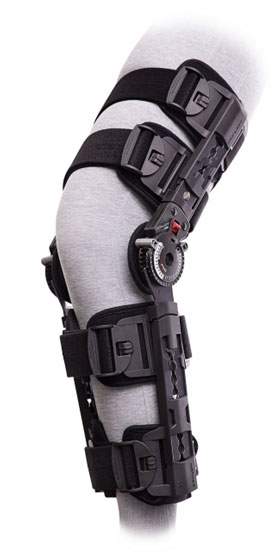

Will a brace help after a knee replacement? Discover how bracing offers stability, manages pain, and aids recovery. Find the right support. Explore our k...
Does A Brace Help Bursitis?
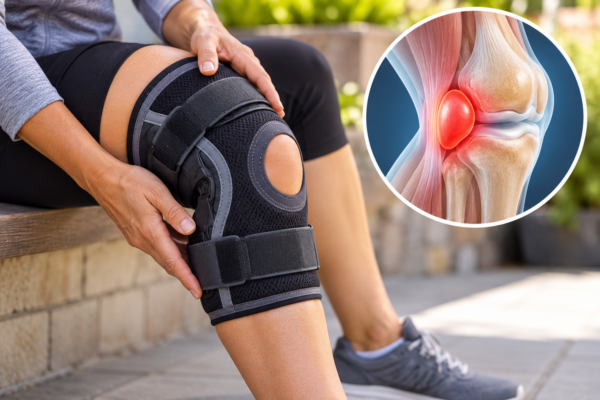 If you’re dealing with the persistent, aching pain of an inflamed joint, you have likely asked the question, does a brace help bursitis? The answer, in many cases, is a resounding yes. While not a cure on its own, a well-chosen brace can be a cornerstone of your recovery plan, providing significant relief and support. Consequently, understanding how a brace functions and which type is right for you is crucial for managing symptoms and getting back to your daily activities with less pain. This guide will explore the ways bracing can assist in your recovery from bursitis.
What is Bursitis and Why Does it Happen?
Before diving into solutions, it’s important to understand the condition itself. Bursitis is the inflammation of a bursa, which is a small, fluid-filled sac that acts as a cushion between bones, tendons, and muscles near your joints. These sacs reduce friction and allow for smooth movement. However, when a bursa becomes irritated, it can swell and cause considerable pain. For example, repetitive motions, prolonged pressure on a joint, or a sudden injury can all lead to bursitis. Common locations include the shoulder, elbow, hip, and knee.
The symptoms often include a dull ache or stiffness around the affected area, increased pain with movement or pressure, and visible swelling or redness. As a result, simple tasks can become difficult and painful. According to leading medical institutions like the Mayo Clinic, treatment typically focuses on resting the joint and reducing inflammation. This is precisely where a brace can play a vital supportive role.
The Role of Bracing: How Does a Brace Help Bursitis?
So, how exactly does a brace provide relief? The primary function of a brace in treating bursitis is to reduce stress on the inflamed bursa. It achieves this through several key mechanisms that work together to promote healing and alleviate discomfort. Importantly, the right brace offers a non-invasive way to manage your symptoms effectively.
Here are the primary benefits of using a brace for bursitis:
- Compression: Many braces, particularly sleeve-style ones, apply gentle, consistent pressure to the joint. This compression helps reduce swelling by limiting the buildup of fluid in the affected area. Furthermore, it can increase blood flow, which is essential for healing.
- Support and Stabilization: A brace helps to stabilize the joint, limiting excessive or harmful movements that could further irritate the bursa. By providing external support, it allows the muscles and tendons around the joint to relax, reducing strain.
- Pain Alleviation: Through a combination of compression, support, and warmth, a brace can significantly decrease pain levels. The warmth generated by many brace materials can soothe aching joints, while the physical support offloads pressure from the painful bursa.
- Proprioceptive Feedback: Wearing a brace enhances your awareness of the joint’s position (proprioception). This heightened sense of awareness encourages you to make more controlled movements, thereby preventing re-injury and promoting proper joint mechanics during recovery.
What Types of Braces Are Used for Bursitis?
The type of brace you need depends entirely on the location of your bursitis. Different joints have unique needs for support and stabilization. Therefore, choosing a brace designed for your specific issue is critical for achieving the best results.
Knee Braces for Prepatellar and Pes Anserine Bursitis
Knee bursitis often affects the bursa over the kneecap (prepatellar) or on the inner side of the knee (pes anserine). A simple compression sleeve can be very effective for mild cases by reducing swelling. For more significant instability or pain, you might consider specialized knee braces with patellar buttresses or flexible stays. These provide targeted support without completely immobilizing the joint. When you are unsure, choosing the right type of knee brace is a crucial step that a healthcare provider can assist with.
Elbow Braces for Olecranon Bursitis
Often called “student’s elbow,” olecranon bursitis involves swelling at the pointy tip of the elbow. An elbow compression sleeve is an excellent choice to manage swelling and provide soothing warmth. In some cases, a strap worn just below the elbow can also help by altering the tension dynamics of the forearm muscles, reducing strain on the joint.
Hip Braces for Trochanteric Bursitis
Hip bursitis can be more challenging to brace. However, compression shorts, sacroiliac belts, or specialized hip braces can provide support and compression to the outer hip area. These garments help stabilize the pelvis and reduce tension in the muscles and tendons that cross the hip joint, which can relieve pressure on the trochanteric bursa. Similarly, a supportive back brace can sometimes help by improving posture and reducing strain on the lower back and hip region.
How Do I Choose and Use a Brace Effectively?
Simply buying a brace is not enough; using it correctly is key to your recovery. First, it is highly recommended to consult with a doctor or physical therapist. They can confirm your diagnosis and recommend the most appropriate type of brace for your specific condition. Moreover, proper fit is non-negotiable. A brace that is too tight can restrict circulation, while one that is too loose will offer no support. Always measure the joint according to the manufacturer’s instructions to ensure you select the correct size.
When you wear the brace, it should feel snug but not painful. You should wear it during activities that tend to aggravate your symptoms but also allow for periods of rest without the brace to prevent dependency. Finally, remember that a brace is just one part of a comprehensive treatment plan. Combining its use with rest, ice, and appropriate stretching and strengthening exercises will yield the best and fastest recovery.
Final Thoughts: Integrating a Brace into Your Recovery Plan
In conclusion, the answer to the question, does a brace help bursitis?, is a definitive yes for many individuals. By providing compression, stability, and pain relief, a brace can be an invaluable tool in managing symptoms and facilitating the healing process. It empowers you to remain more active while protecting the injured joint from further strain. Nevertheless, it is essential to view bracing as a component of a broader recovery strategy that includes professional medical advice and other therapeutic interventions. With the right approach, you can effectively manage bursitis and return to a life with less pain and more movement.
Related Posts