
Wondering, 'Do I need a professional fitting?' for your medical device? Discover why a perfect fit is crucial for comfort, safety, and effectiveness. Con...
Can I Drive While Wearing Diabetic Shoes?
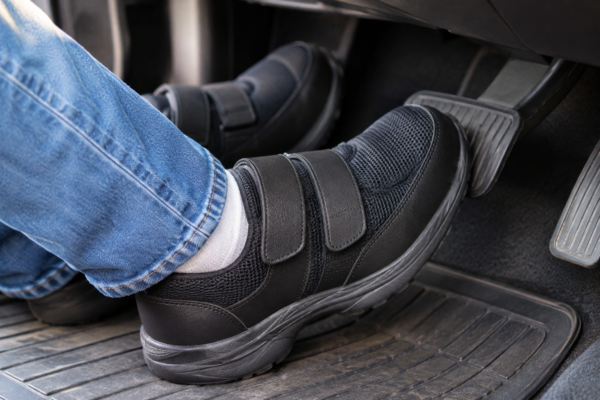 For individuals managing diabetes, every choice, including footwear, is crucial for health and safety. This leads many to ask, Can I drive while wearing diabetic shoes? The answer isn’t a simple yes or no, as it depends heavily on the specific shoe design, your level of foot sensation, and your ability to safely operate a vehicle. Therefore, understanding the potential risks and best practices is essential for protecting yourself and others on the road.
Understanding the Purpose of Diabetic Footwear
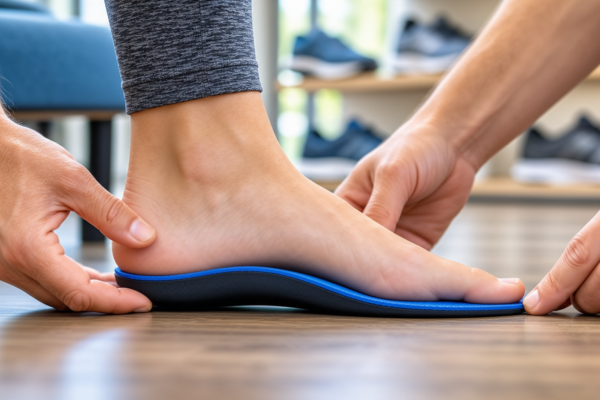
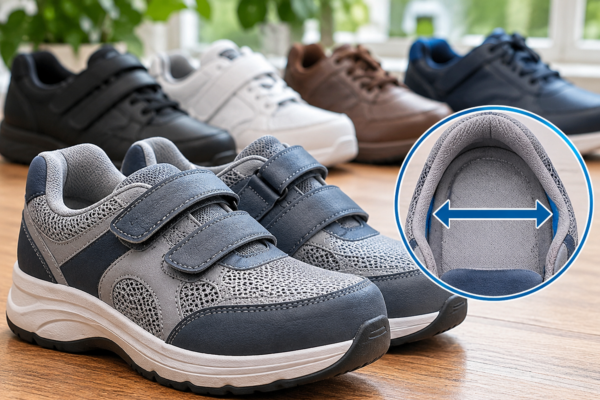
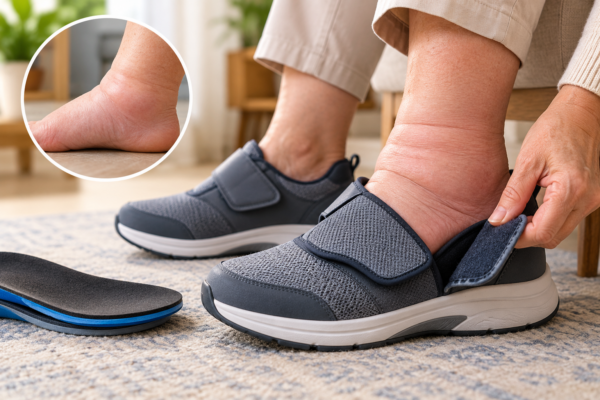
Before addressing driving safety, it’s important to recognize why diabetic shoes are prescribed in the first place. Unlike standard footwear, diabetic shoes are engineered with specific protective features. For example, they often have an extra-deep toe box to reduce pressure and accommodate custom orthotics. Additionally, the interior is typically seamless to prevent irritation and potential ulcers. These features are vital for safeguarding sensitive feet, especially for those with neuropathy (nerve damage).
Moreover, the construction of this specialized footwear focuses on stability and support. A firm heel counter helps control foot motion, while a cushioned, shock-absorbing sole reduces impact on the feet and joints. Consequently, these design elements, while excellent for walking and standing, can sometimes present challenges behind the wheel. Understanding why diabetic footwear is essential for foot protection helps clarify why their design might conflict with the needs of a driver.
So, Can I Drive While Wearing Diabetic Shoes Safely?
The primary concern with driving in any bulky footwear, including some diabetic shoes, is the potential for reduced pedal feel and control. The thick, rigid soles that provide excellent protection while walking can make it difficult to gauge how much pressure you’re applying to the gas or brake pedal. This lack of tactile feedback can be dangerous. Furthermore, a wider shoe design might increase the risk of accidentally pressing both the accelerator and the brake simultaneously.
For individuals with diabetic neuropathy, this issue is magnified. Reduced sensation in the feet already makes it challenging to feel the pedals properly. When you combine that with a thick-soled shoe, the risk of a delayed reaction or incorrect pedal application increases significantly. As a result, evaluating your specific shoes and personal condition is a critical step. The question, Can I drive while wearing diabetic shoes?, must be answered on an individual basis after careful consideration of these factors.
What Makes a Shoe Unsafe for Driving?
Certain footwear characteristics are universally considered unsafe for operating a vehicle, regardless of whether they are diabetic shoes or not. Importantly, you should assess your footwear against these criteria to make an informed decision. An authoritative source on driving safety, the National Highway Traffic Safety Administration (NHTSA), consistently advises against anything that could impede pedal operation.
Here are some specific features that make shoes risky for driving:
- Thick, Inflexible Soles: Shoes with heavy, platform-like soles prevent your foot from feeling the pedals, leading to poor pressure modulation.
- Overly Wide Design: Footwear that is significantly wider than your foot can get caught on or between pedals, posing a serious hazard.
- Lack of Heel Support: Backless shoes, slippers, or sandals can slip off and become lodged under the pedals, preventing you from braking effectively.
- Heavy Construction: Heavy boots or shoes can slow down the movement of your foot between the gas and brake pedals, increasing your reaction time in an emergency.
Assessing Your Specific Diabetic Shoes
Not all diabetic shoes are created equal. Modern designs often look and feel more like athletic sneakers, with more flexible soles and a less bulky profile. To determine if your specific pair is safe for driving, perform a simple test while the car is in park. Sit in the driver’s seat and practice moving your foot between the pedals. Can you feel them distinctly? Does the shoe’s sole allow for easy pivoting from gas to brake? If you feel any hesitation, clumsiness, or lack of sensation, it is safer not to drive in them.
Best Practices for Driving with Diabetes
Ensuring safety on the road involves more than just choosing the right shoes. It requires a proactive approach to managing your health and being prepared. Adopting a few key habits can make a significant difference in your safety and confidence behind the wheel.
Keep a Dedicated Pair of Driving Shoes in Your Car
One of the simplest and most effective solutions is to keep a separate pair of driving-appropriate shoes in your vehicle. These should be comfortable, with a thin, flexible sole and a snug fit. A good-quality sneaker or a flat walking shoe often works well. You can wear your supportive diabetic shoes to your destination and simply switch them out before you start the engine. This practice ensures you have optimal pedal feel without compromising your foot health when you’re walking around.
Consult Your Doctor or Podiatrist
Your healthcare provider is your best resource. Discuss your driving habits and concerns with your doctor or podiatrist. They can assess your level of neuropathy and provide personalized recommendations. Similarly, they can help you select diabetic footwear that balances protection with the flexibility needed for various activities, including driving. Following consistent diabetic foot care tips is a cornerstone of overall health management.
Choose Versatile Diabetic Footwear
When it’s time for a new pair, consider your lifestyle needs. Many brands now offer diabetic shoes that are sleek, lightweight, and resemble modern athletic shoes. These options often provide the necessary protection without the excessive bulk that can interfere with driving. When you learn how to choose the best diabetic footwear, you can look for models that offer a good balance of a supportive structure and a reasonably flexible sole.
Key Takeaways
Ultimately, the answer to ‘Can I drive while wearing diabetic shoes?‘ is conditional. While some modern, flexible diabetic shoes may be perfectly safe, many traditional, bulkier models are not recommended for operating a vehicle. Safety must always be the top priority. Always assess your specific footwear for sole thickness, width, and flexibility. If there is any doubt, the safest course of action is to keep a dedicated pair of thin-soled driving shoes in your car. By taking these precautions and consulting with your healthcare provider, you can continue to drive safely while effectively managing your diabetic foot health.
Related Posts