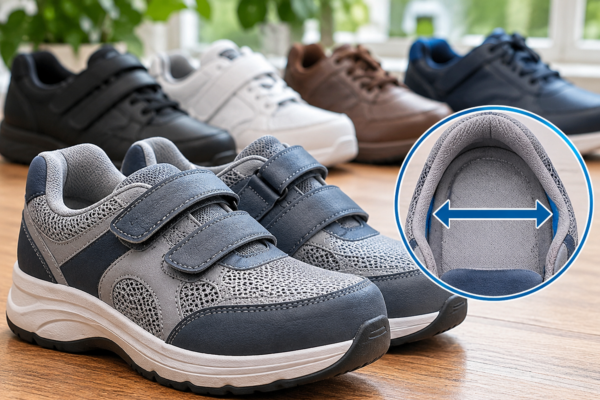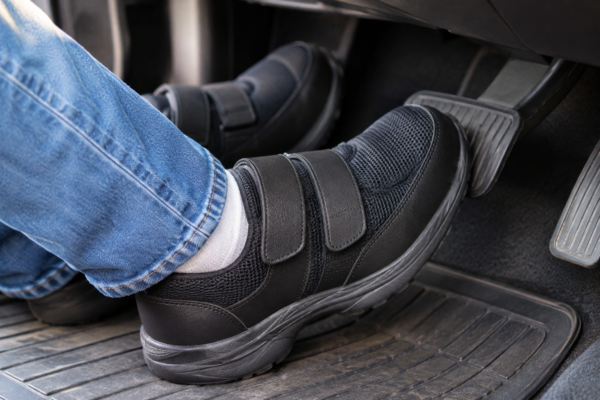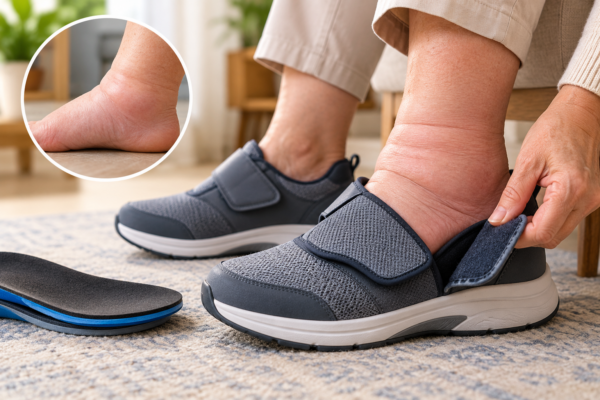

Do diabetic shoes come in wide widths? Absolutely. This guide explains why a proper wide fit is essential for comfort, circulation, and preventing compli...
Do I Need A Professional Fitting?
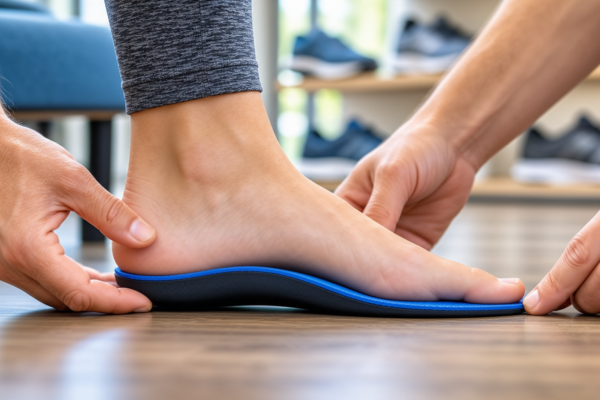 When considering specialized medical equipment like compression stockings, diabetic shoes, or orthopedic braces, many people ask, Do I need a professional fitting? The simple answer is a resounding yes. While off-the-shelf products offer convenience, they lack the precision required for therapeutic effectiveness and safety. Consequently, a professional fitting is not a luxury but a critical step in your healthcare journey, ensuring your device provides the intended support and benefits without causing unintended harm.
The Dangers of an Improper Fit
Choosing a medical device without a proper fitting is a significant gamble with your health. An incorrect size or type of product can lead to a host of problems that undermine the very reason you need the device. For example, compression garments that are too tight can restrict circulation, while those that are too loose offer no therapeutic value. Similarly, ill-fitting diabetic shoes can cause blisters, ulcers, and serious foot complications.
Furthermore, an improper fit can lead to non-compliance. If a brace is uncomfortable or a stocking constantly slips down, you are far less likely to wear it as prescribed. This ultimately negates any potential benefits and wastes both time and money. Therefore, investing in a professional fitting is a direct investment in your treatment’s success and overall well-being.
What Does a Professional Fitting Involve?
A professional fitting is a detailed process conducted by a trained and certified specialist. It goes far beyond simply measuring your wrist or shoe size. The fitter will conduct a comprehensive evaluation to ensure the selected device is perfectly suited to your specific needs.
This process typically includes:
- Detailed Measurements: A specialist will take precise measurements, often at multiple points and at a specific time of day to account for swelling.
- Anatomical Assessment: The fitter examines the unique shape and contours of the affected body part, looking for any abnormalities that could impact the fit.
- Medical History Review: Understanding your diagnosis, symptoms, and lifestyle helps the professional recommend the most appropriate device.
- Product Education: A key part of the fitting is learning how to properly put on, take off, and care for your device to ensure its longevity and effectiveness.
This thorough approach guarantees that the product you receive is not just the right size, but also the right type and compression level for your condition. It transforms the device from a simple product into a personalized therapeutic tool.
Why Ask, “Do I Need a Professional Fitting?” The Benefits Are Clear
The advantages of working with a certified fitter are numerous and directly impact your health outcomes. When you bypass the guesswork of self-sizing, you gain access to expertise that ensures optimal performance from your medical device. The primary benefits underscore why this step is so essential.
Specifically, a professional fitting provides:
- Enhanced Therapeutic Effectiveness: A correctly fitted device delivers the precise pressure or support needed to manage your condition, whether it’s improving circulation with compression wear or stabilizing a joint with a brace.
- Improved Comfort and Compliance: Comfort is key to consistent use. A device that fits perfectly is one you’ll wear as directed, leading to better results.
- Prevention of Complications: This is perhaps the most critical benefit. A proper fit helps prevent issues like skin irritation, pressure sores, and restricted blood flow, which are common with ill-fitting products.
- Personalized Recommendations: Fitters have deep knowledge of various brands and materials. They can recommend a product that not only fits your body but also your lifestyle and any sensitivities you may have.
Key Medical Devices That Require a Professional Fitting
While many medical products benefit from expert sizing, some categories absolutely demand it. For these items, the difference between a professional fit and an estimate can have serious health consequences. If you are still wondering, Do I need a professional fitting?, consider its importance for the following items.
Compression Garments
For conditions like lymphedema, venous insufficiency, and POTS, compression garments are a cornerstone of treatment. A fitter ensures the garment provides the correct gradient pressure—tightest at the ankle and decreasing up the leg—which is essential for how compression stockings work. They will measure your limbs to match you with a size and style that promotes circulation effectively without constricting it.
Diabetic Footwear
People with diabetes are at high risk for foot complications. A professional fitting for diabetic shoes is non-negotiable. Specialists assess foot shape, pressure points, and gait to select footwear that reduces the risk of ulcers and injury. This process is fundamental to choosing the best diabetic footwear and protecting your long-term health.
Orthopedic Braces
Whether for post-operative recovery or managing a chronic condition like arthritis, an orthopedic brace must fit correctly to be effective. A fitter will ensure the brace stabilizes the correct joint without impeding necessary movement or causing skin breakdown. This is crucial when selecting the right type of knee brace to support your recovery and mobility.
Final Thoughts on Professional Medical Fittings
In conclusion, the question is not just “Do I need a professional fitting?” but rather, “Can I afford not to have one?” The expertise of a certified fitter ensures your medical device is safe, effective, and comfortable. It is a crucial step that protects your health, maximizes the therapeutic benefit of your device, and provides you with the peace of mind that you are using your equipment correctly. Always consult with healthcare providers and seek out certified professionals, like those recognized by the American Board for Certification in Orthotics, Prosthetics and Pedorthics (ABC), to guide you through the selection and fitting process. Your health is worth the extra step.
Related Posts