

Wondering, will a back brace help sciatica? Discover how braces provide support, reduce pain, and improve posture for sciatic nerve relief. Learn more now!
Will It Help Degenerative Disc Disease?
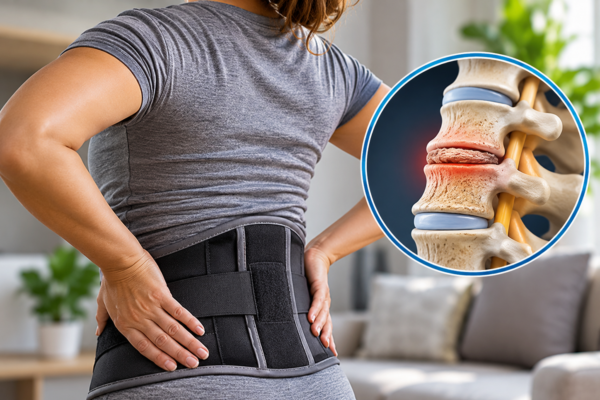 For millions of people experiencing chronic back or neck pain, the question, will it help degenerative disc disease?, is a critical one when considering treatment options like bracing. Degenerative disc disease (DDD) is a common condition that can significantly impact one’s quality of life. However, understanding the role of supportive devices like back and neck braces is the first step toward effective symptom management. Consequently, this guide explores how bracing can provide stability, reduce pain, and improve function for individuals with DDD.
What Exactly Is Degenerative Disc Disease?
Despite its name, degenerative disc disease is not technically a disease but rather a condition where the intervertebral discs of the spine wear down over time. These discs act as shock absorbers between the vertebrae, and as they deteriorate, they can cause significant pain and instability. For example, the gel-like center of the disc can lose water, making it less flexible and thinner. As a result, the space between vertebrae narrows, potentially leading to nerve compression and pain.
Common Symptoms of DDD
The symptoms of DDD can vary widely depending on the location and severity of the disc degeneration. Importantly, recognizing these signs is crucial for seeking proper care. Some of the most prevalent symptoms include:
- Chronic, persistent pain in the lower back, buttocks, or neck.
- Pain that intensifies with activities like sitting, bending, lifting, or twisting.
- Numbness, weakness, or tingling sensations in the arms or legs (radiculopathy).
- Periods of severe pain that flare up and then subside.
- Relief from pain when walking, moving, or changing positions frequently.
How Can Bracing Answer: Will It Help Degenerative Disc Disease?
This is the central question for many patients. The answer is a resounding yes, provided the brace is used correctly and as part of a comprehensive treatment plan. Specifically, braces offer several key benefits that directly address the mechanical and symptomatic issues of DDD. They work by providing external support to the spine, which can alleviate pressure on the degenerated discs and surrounding structures. Furthermore, this support can help manage pain and prevent further injury during daily activities.
The Role of Spinal Support and Stabilization
A primary function of a back or neck brace is to limit motion in the affected spinal segment. For instance, by restricting excessive bending or twisting, a brace reduces the mechanical stress on the worn-out discs and inflamed facet joints. This stabilization creates a healing environment, allowing irritated nerves and strained muscles to rest and recover. Moreover, this added support can help you determine if you need a back brace for specific activities that would otherwise cause a pain flare-up.
Pain Reduction and Improved Mobility
By immobilizing the painful area and supporting the spinal column, braces can dramatically reduce pain signals. The compression provided by many braces also offers a comforting sensation and can help decrease inflammation. Consequently, with pain levels more controlled, individuals often find their mobility improves. This allows for greater participation in daily life and even gentle physical therapy. In addition to braces, there are many other pain relief orthotics that can complement your treatment plan.
What Types of Braces Are Used for DDD?
The type of brace recommended for degenerative disc disease depends heavily on which part of the spine is affected—the cervical (neck), thoracic (mid-back), or lumbar (low-back) region. Each type is designed to provide targeted support.
- Cervical Collars (Neck Braces): For DDD in the neck, cervical collars or neck braces are often used. Soft collars offer mild support and serve as a proprioceptive reminder to limit neck motion. In contrast, rigid collars provide much stricter immobilization, which may be necessary after an acute injury or during a severe pain flare-up.
- Lumbosacral Orthoses (LSO): These are more rigid braces designed to stabilize the lower back. An LSO typically covers the lumbar and sacral regions, significantly restricting motion to allow the area to heal. They are highly effective for managing severe lumbar DDD pain and can help manage related conditions like sciatica.
- Corset-Style Braces: These are generally made of flexible materials and provide circumferential compression around the torso. While less restrictive than rigid LSOs, they offer excellent support, improve posture, and can effectively reduce lower back pain associated with DDD.
Important Considerations Before Using a Brace
While braces are beneficial, they are not a standalone cure. Therefore, they must be used judiciously and as part of a broader strategy recommended by a healthcare professional.
Consultation with a Professional is Key
Before using any brace, it is essential to consult with a doctor, physiatrist, or physical therapist. A proper diagnosis is necessary to confirm that DDD is the cause of your symptoms. Additionally, a professional can recommend the most appropriate type of brace for your specific condition and instruct you on how and when to wear it. An expert will ensure the brace fits correctly, as an ill-fitting device can be ineffective or even harmful. For more information on the condition, authoritative sources like the Mayo Clinic provide in-depth details.
Avoiding Muscle Atrophy
One of the most significant risks of overusing a spinal brace is the potential for muscle atrophy. Because the brace takes over some of the work your core and back muscles would normally do, those muscles can weaken over time. To prevent this, braces should typically be worn for limited periods or during specific activities that trigger pain. This approach must be paired with a targeted exercise program, as recommended by a physical therapist, to strengthen the supporting muscles. This combination of bracing and exercise is a cornerstone of effective, long-term DDD management, as highlighted by experts in physical therapy and exercise.
Final Thoughts on Bracing for Degenerative Disc Disease
Ultimately, when we return to the initial question—will it help degenerative disc disease?—the evidence points to a clear yes. Bracing, when used correctly under medical supervision, is a powerful and effective tool for managing the pain and instability of DDD. It provides crucial support that can break the cycle of pain, improve function, and enhance overall quality of life. However, it is most successful when integrated into a comprehensive treatment plan that includes physical therapy, exercise, and other lifestyle modifications. If you are struggling with symptoms of DDD, discussing bracing options with your healthcare provider could be your next step toward finding lasting relief.
Related Posts

