

Wondering, will a neck brace relieve muscle spasms? This guide covers how they work, the types of spasms they help, and proper usage. Learn more now!
Can A Neck Brace Help Cervical Radiculopathy?
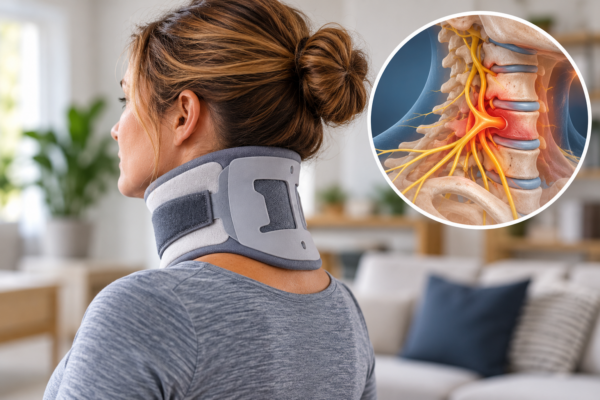 Many people suffering from neck pain and radiating symptoms ask, can a neck brace help cervical radiculopathy? The answer is often yes, but it is a nuanced one that depends on several factors. A neck brace, also known as a cervical collar, can be a valuable tool for managing the acute pain of a pinched nerve in the neck by limiting motion and providing crucial support. However, it’s essential to understand how and when to use one as part of a broader, professionally guided treatment plan. Consequently, using a brace without medical advice can sometimes do more harm than good.
What Is Cervical Radiculopathy?
Before exploring the solution, it’s important to understand the problem. Cervical radiculopathy is the medical term for what is commonly called a “pinched nerve” in the neck (the cervical spine). This condition occurs when a nerve root near the cervical vertebrae becomes compressed or irritated. As a result, this pressure can cause pain that radiates from the neck into the shoulder, arm, hand, or fingers. Furthermore, symptoms can also include numbness, tingling, and weakness along the nerve’s path.
The most common causes of this nerve compression include:
- Herniated Disc: The soft, gel-like center of a spinal disc pushes out through a tear in its exterior, pressing on a nearby nerve.
- Spinal Stenosis: A narrowing of the spinal canal, which can put pressure on the spinal cord and nerve roots.
- Bone Spurs (Osteophytes): Degenerative changes in the spine, often from osteoarthritis, can lead to the formation of bony growths that impinge on nerves.
Understanding the underlying cause is a critical step in determining the most effective treatment. Therefore, a proper diagnosis from a healthcare provider is always the first and most important action to take.
How Does a Neck Brace Work for This Condition?
When used correctly, a neck brace provides relief for cervical radiculopathy through several key mechanisms. Its primary function is to stabilize the neck and limit movement. This simple action can have a significant impact on pain and healing. For example, by preventing you from making sudden or excessive neck motions, the brace reduces stress on the irritated nerve root, giving it a chance to heal.
Additionally, a cervical collar helps support the weight of the head. The human head is surprisingly heavy, and holding it up puts constant strain on the cervical spine. By offloading some of this weight, a brace can decompress the vertebrae and nerve roots, which directly alleviates pain. Importantly, this support also encourages better posture, preventing the forward-head position that often exacerbates neck problems. This postural correction can provide both immediate relief and long-term benefits.
Types of Neck Braces Available
Not all neck braces are created equal. The type prescribed often depends on the severity of the condition and the level of support required. The two main categories are soft and rigid collars.
- Soft Collars: Made from foam and covered in fabric, these braces are flexible and offer minimal restriction. Their main purpose is to serve as a kinesthetic reminder to limit neck motion and to provide some warmth and comfort. They are generally used for milder cases of pain.
- Rigid Collars: These are made from hard plastic and offer much more significant support and immobilization. Examples include the Philadelphia collar or Aspen collar. They are typically used after a significant injury, surgery, or during severe flare-ups of cervical radiculopathy to ensure the neck remains stable. For more information, you can explore various cervical neck braces to see the differences.
When Can a Neck Brace Help Cervical Radiculopathy?
The timing and duration of using a brace are critical for success. A neck brace is most effective when used for short-term pain management during acute phases of cervical radiculopathy. When the pain is severe, immobilizing the neck for a few days can significantly calm the inflammation and reduce symptoms. This period of rest allows the irritated nerve to settle down.
However, medical professionals caution against long-term, continuous use. Over-reliance on a brace can lead to the weakening of the neck muscles, a condition known as muscle atrophy. These muscles are vital for providing natural support to your cervical spine. Consequently, weakened muscles can lead to chronic pain and instability, making the original problem worse. Most doctors recommend using a brace intermittently or for a limited period, usually no more than one to two weeks, unless specified otherwise. It is always best to determine if you need a neck brace with guidance from a specialist.
What Are the Alternatives and Complements to a Brace?
A neck brace is rarely a standalone solution. Instead, it is one component of a comprehensive treatment strategy. An effective recovery plan often includes a combination of approaches tailored to the individual’s specific condition. According to authoritative sources like the American Academy of Orthopaedic Surgeons, most cases improve over time with conservative treatment.
Effective complementary treatments include:
- Physical Therapy: This is arguably the most important element. A physical therapist can design a program of specific exercises to strengthen neck muscles, improve flexibility, and promote proper posture.
- Medication: Over-the-counter nonsteroidal anti-inflammatory drugs (NSAIDs) like ibuprofen can help reduce pain and inflammation. In more severe cases, a doctor might prescribe muscle relaxants or oral corticosteroids.
- Ergonomic Adjustments: Making simple changes to your workspace, such as adjusting your monitor height and chair, can reduce daily strain on your neck. Similarly, using a supportive pillow for sleep is also beneficial.
- Heat and Cold Therapy: Applying heat can help relax tense muscles, while cold packs can reduce inflammation and numb sharp pain.
In many cases, the radiculopathy is caused by a specific structural issue, and a brace can provide similar support for a cervical herniated disc while these other treatments take effect. Research from the National Library of Medicine confirms that a multi-faceted approach is most effective for long-term relief.
Final Thoughts on Using a Neck Brace
So, to return to the original question: can a neck brace help cervical radiculopathy? Yes, it certainly can serve as an effective tool for short-term pain relief and stabilization during acute flare-ups. By limiting motion and supporting the head, it creates an environment conducive to healing. Nevertheless, it is not a long-term cure and should be used judiciously under the guidance of a healthcare professional to avoid muscle weakening and dependence.
Ultimately, the most successful outcomes are achieved when a cervical collar is integrated into a broader treatment plan that includes physical therapy, medication, and lifestyle adjustments. If you are experiencing symptoms of a pinched nerve, consulting with a doctor or physical therapist is the best course of action to create a safe and effective recovery plan for your specific needs.
Related Posts

