
Wondering, can a neck brace help cervical radiculopathy? Learn how cervical collars work to reduce pain, the types available, and when to use one. Contac...
What Do Compression Stockings Help With?
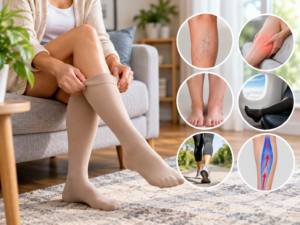 If you’ve ever experienced tired, achy, or swollen legs, you may have wondered what do compression stockings help with? These specialized garments are more than just tight socks; they are a medical tool designed to improve circulation and provide relief for a variety of conditions. Consequently, understanding their benefits is the first step toward better leg health. This guide explores the many ways compression therapy can support your well-being, from managing medical issues to enhancing daily comfort. Importantly, the right pair can make a significant difference in your quality of life.
The Science Behind Compression: How Do They Work?
Compression stockings apply gentle, consistent pressure to your legs, with the pressure being tightest at the ankle and gradually decreasing up the leg. This design is known as graduated compression. As a result, this mechanism helps your circulatory system fight against gravity. Furthermore, it encourages blood to flow upward, back toward your heart, preventing it from pooling in your lower legs. This simple yet effective process is the key to understanding how compression stockings fundamentally work. Additionally, they support the walls of your veins, which can improve the function of the valves inside them that prevent blood from flowing backward.
Key Medical Conditions Addressed by Compression
While many people use them for comfort, compression stockings are a primary tool for managing several medical conditions. Specifically, they are often prescribed by doctors to prevent or treat serious health issues related to the circulatory system.
Managing Chronic Venous Insufficiency (CVI) and Varicose Veins
Chronic Venous Insufficiency occurs when your leg veins don’t allow blood to flow back up to your heart effectively. This can lead to pain, swelling, and the development of varicose veins. Compression stockings provide external support to the vein walls, which helps reduce their diameter and restores more efficient blood flow. For example, by preventing blood from pooling, they can significantly reduce the unsightly appearance and uncomfortable symptoms of varicose veins. Therefore, they are a cornerstone of conservative treatment for CVI.
Preventing Deep Vein Thrombosis (DVT)
Deep Vein Thrombosis is a serious condition where a blood clot forms in a deep vein, usually in the legs. These clots can be life-threatening if they break loose and travel to the lungs, causing a pulmonary embolism. Compression stockings are crucial for DVT prevention, especially for individuals at high risk. This includes those who are immobile after surgery, on long flights, or confined to bed rest. The pressure from the stockings keeps blood from becoming stagnant, thereby reducing the risk of clot formation. In fact, the CDC highlights immobility as a major risk factor that compression can help mitigate, as detailed in their information on DVT.
Reducing Swelling (Edema) and Lymphedema
Edema, or swelling caused by excess fluid trapped in your body’s tissues, is a common complaint. Compression stockings help by pushing this excess fluid from the tissues back into the lymphatic and venous systems to be reabsorbed. Similarly, they are a critical component in managing lymphedema, a condition of localized fluid retention caused by a compromised lymphatic system. The consistent pressure helps move lymphatic fluid and prevents further accumulation.
So, What Do Compression Stockings Help With for Everyday Life?
Beyond specific medical diagnoses, the benefits of compression extend to improving comfort and performance in daily activities. Many people without a diagnosed condition can experience enhanced well-being from wearing them. The answer to what do compression stockings help with? includes a wide range of lifestyle improvements.
- Enhancing Athletic Performance and Recovery: Many athletes wear compression socks to increase oxygen delivery to their muscles and reduce lactic acid buildup. After a workout, this can lead to faster recovery and less muscle soreness.
- Supporting Professionals on Their Feet: Nurses, teachers, retail workers, and others who spend hours standing or walking often suffer from leg fatigue and swelling. Compression stockings provide all-day support, keeping legs feeling energized and less tired.
- Providing Comfort for Travelers: Sitting for long periods during flights or car rides can lead to stiff, swollen, and achy legs. Compression socks promote circulation, making travel more comfortable and safer by reducing DVT risk.
- Assisting During Pregnancy: Hormonal changes and the pressure from a growing uterus can lead to swelling and varicose veins during pregnancy. Compression provides essential support during pregnancy, alleviating these common discomforts.
How Do I Choose the Right Compression Stockings?
Choosing the correct stockings is vital for them to be effective. They come in various pressure levels, measured in millimeters of mercury (mmHg), and different styles, such as knee-high, thigh-high, and waist-high. Mild compression (8-15 mmHg) is often sufficient for tired legs, while moderate to firm levels (15-30+ mmHg) are typically used for medical conditions like varicose veins and DVT prevention. However, it is crucial to consult with a healthcare professional before choosing a compression level. A doctor can assess your specific needs and recommend the appropriate pressure and style for your situation, ensuring both safety and efficacy in your compression therapy for circulation.
Final Thoughts on Compression Benefits
Ultimately, the answer to the question ‘what do compression stockings help with?‘ is extensive and impactful. From preventing life-threatening blood clots and managing chronic venous disease to providing everyday comfort for active professionals and travelers, their applications are broad. These garments are a powerful, non-invasive tool for anyone seeking to improve their leg health, reduce pain, and enhance their overall quality of life. If you experience any of the symptoms discussed, consider speaking with a specialist to see if compression therapy is right for you. Taking proactive steps can lead to significant, long-term relief and well-being.
Related Posts