

Wondering what do compression stockings help with? They boost circulation, reduce swelling, and ease leg fatigue. Learn how they can improve your health....
Can A Knee Brace Help Bone-On-Bone Arthritis?
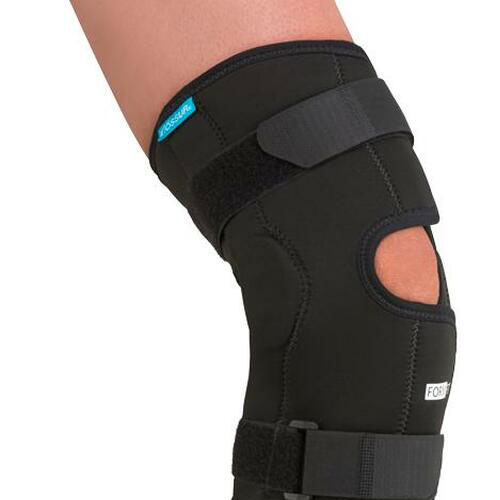 Many people suffering from severe joint pain and stiffness eventually ask their doctor, “can a knee brace help bone-on-bone arthritis?” This advanced stage of osteoarthritis, where cartilage has worn away completely, can be debilitating. However, the answer is often a resounding yes. A properly selected knee brace can provide significant relief, improve mobility, and enhance your overall quality of life, acting as a critical tool in managing this condition.
Understanding Bone-on-Bone Knee Arthritis
Bone-on-bone arthritis, medically known as end-stage osteoarthritis, occurs when the protective cartilage that cushions the ends of your bones within the knee joint wears down entirely. Consequently, bones rub directly against each other, causing intense pain, inflammation, stiffness, and a decreased range of motion. This condition doesn’t just impact your ability to walk; it can affect everything from climbing stairs to simply standing up from a chair.
Importantly, this friction can lead to the formation of bone spurs and further joint damage. While there is no cure for arthritis, managing its symptoms is key to maintaining an active lifestyle. Therefore, interventions that reduce pressure and provide support become essential components of a comprehensive treatment plan.
How Can a Knee Brace Help Bone-on-Bone Arthritis?
This is the central question for many patients. A specialized type of brace, known as an “unloader” brace, is specifically designed to address the mechanics of bone-on-bone arthritis. It works by applying pressure to the knee joint to shift weight away from the most damaged part of the knee. As a result, this creates a small amount of space between the bones, reducing the painful friction.
Think of it like slightly lifting one side of a hinge to stop it from grinding. This “unloading” effect can lead to immediate pain reduction during weight-bearing activities like walking or standing. Furthermore, by correcting alignment and providing stability, the brace helps your knee function more normally, which can prevent further damage and reduce strain on the surrounding muscles and ligaments. For more information on how braces work, you can consult authoritative sources like the Arthritis Foundation.
The Mechanics of an Unloader Brace
Unloader braces are the most effective option for this condition. They typically feature a rigid frame and a system of straps and hinges. Specifically, the brace applies a gentle force to three points on the leg, creating a pressure system that opens up the affected joint space. This is a clinically proven method to alleviate pain from single-compartment osteoarthritis, where damage is primarily on one side of the knee.
By offloading the pressure, these braces not only reduce pain but also can improve knee function and stability. This added support gives patients the confidence to move more freely and engage in physical activities that might have been too painful otherwise. This is why specialized knee bracing solutions are a cornerstone of non-surgical arthritis management.
What are the Different Types of Knee Braces for Arthritis?
While unloader braces are ideal for bone-on-bone cases, it’s helpful to understand the other types available, as they may be used for milder arthritis or different knee conditions. Choosing the right one is crucial for effective treatment.
- Unloader Braces: As discussed, these are the gold standard for bone-on-bone arthritis. They shift pressure from the damaged area to a healthier part of the knee.
- Hinged Knee Braces: These offer significant support and stability, particularly after an injury or for individuals with ligament instability alongside arthritis. They control motion and prevent the knee from moving in harmful ways.
- Compression Sleeves: Made of elastic material, these provide compression to reduce swelling and improve proprioception (your sense of joint position). They offer minimal structural support and are best for mild pain.
- Patellofemoral Braces: These are designed to help with pain around the kneecap (patella), helping it track correctly as the knee bends and straightens.
The process of choosing the right type of knee brace should always be done in consultation with a healthcare professional who can assess your specific condition and needs.
Benefits Beyond Pain Relief
The advantages of using a knee brace for severe arthritis extend far beyond simple pain management. These devices can have a profound impact on your overall health and well-being by restoring function and confidence.
Improving Mobility and Function
Pain is a significant barrier to movement. By reducing pain, a knee brace allows individuals to walk further, stand for longer periods, and participate more fully in daily activities. This increased mobility is vital for maintaining muscle strength, cardiovascular health, and mental well-being. Moreover, research, such as studies found on PubMed Central, consistently shows that unloader braces can significantly improve a patient’s functional ability.
Delaying the Need for Surgery
For many, a total knee replacement is the eventual solution for bone-on-bone arthritis. However, surgery is a major undertaking with a long recovery period. A knee brace can be a powerful tool to delay, or in some cases, avoid the need for surgery. By managing symptoms effectively, you can postpone a surgical intervention, allowing you to choose a time that works best for you. This makes bracing a critical part of a conservative treatment strategy, often combined with physical therapy and other comprehensive pain relief orthotics.
Key Takeaways and Next Steps
To summarize, the evidence is clear. When people ask, “can a knee brace help bone-on-bone arthritis?“, the answer is a definitive yes, particularly with an unloader brace. These devices are not just simple supports; they are biomechanical tools designed to alter joint forces and provide substantial relief.
Here are the final points to remember:
- Pain Reduction: Braces, especially unloader models, directly address the cause of pain by creating space in the joint.
- Increased Stability: They provide external support, reducing the risk of the knee giving way and increasing confidence during movement.
- Improved Function: With less pain and more stability, you can return to activities you enjoy, improving your overall quality of life.
- Surgical Delay: A brace is a key non-invasive strategy that can help you manage symptoms and postpone the need for a knee replacement.
If you are struggling with the pain of bone-on-bone knee arthritis, don’t wait. Discussing your options with a medical professional is the most important next step. They can help determine if a knee brace is the right solution to get you back on your feet and moving with less pain.
Related Posts


