

Struggling with overnight swelling? Discover what is the best nighttime garment for lymphedema to manage symptoms and improve sleep. Explore your options...
How to Choose the Right Compression Garments
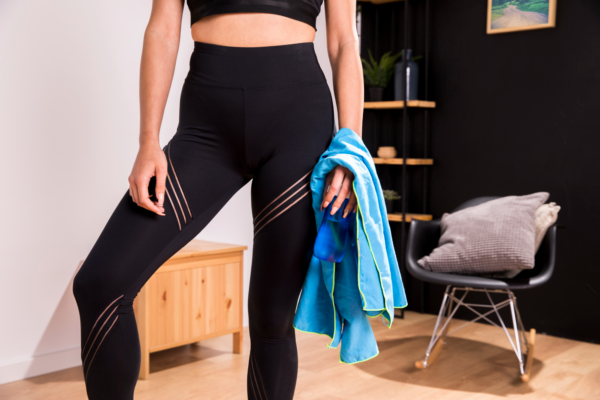 Compression garments are designed to apply controlled pressure to specific areas of the body. They are available in different styles, materials, lengths, and compression levels, making it important to choose a garment that matches its intended use.
Compression stockings are commonly used for leg support, while other compression garments may be designed for the arms, thighs, torso, or other areas. The right choice can depend on the level of compression required, where the garment will be worn, how long it needs to be worn, and individual fit requirements.
Understanding these factors can make it easier to compare compression garments and select an option appropriate for the intended purpose.
What Are Compression Garments?
Compression garments are specialized items of clothing designed to provide graduated or targeted pressure to a particular part of the body. Compression stockings, for example, generally provide stronger compression around the ankle and gradually decrease higher up the leg. This design can support the movement of blood through the veins toward the upper body.
Other garments may provide compression around the arm, thigh, waist, or other areas depending on their design and intended application.
Because different garments provide different levels and patterns of pressure, choosing one should involve more than simply selecting a size.
Why Is the Right Compression Level Important?
Compression level is one of the most important factors to consider. Compression garments are available in different pressure ranges. The appropriate level depends on the intended use and, in some situations, a healthcare professional’s recommendation.
Lower levels may be suitable for general support in certain situations, while higher levels may be used for specific medical conditions or therapeutic purposes.
A higher compression level is not automatically better. Excessive or inappropriate compression may be uncomfortable and may not be suitable for everyone.
If a garment is being used for a diagnosed medical condition, individuals should follow the guidance of their healthcare professional regarding the appropriate compression level.
Understanding Compression Levels
Compression levels are generally described according to the amount of pressure applied, often measured in millimeters of mercury (mmHg).
The exact categories can vary between manufacturers and product types, so consumers should check the manufacturer’s specifications rather than relying only on general labels.
Commonly encountered ranges may include:
Mild Compression
Mild compression garments provide relatively lower pressure and may be used for general support in appropriate circumstances.
They are often easier to put on than higher-compression garments and may be considered by people looking for everyday support.
Moderate Compression
Moderate compression provides more pressure and may be used for specific therapeutic purposes.
Individuals considering moderate compression for a medical condition should follow appropriate professional guidance.
Higher Compression
Higher compression levels are generally associated with more specific medical or therapeutic applications.
These garments may require more careful fitting and can be more difficult to put on and remove.
The correct level should be determined according to the intended purpose rather than simply choosing the highest available compression.
Consider the Purpose of the Garment
Before selecting a compression garment, identify why it is needed. Someone looking for everyday leg support may have different requirements from an individual who has been advised to use compression for a specific medical condition. Other considerations may include:
- Long periods of standing
- Extended periods of sitting
- Physical activity
- Travel
- Recovery following certain procedures
- Swelling management
- Medical or therapeutic use
The intended purpose can help determine the appropriate garment style and compression level.
Choose the Right Garment Style
Compression garments are available in several designs.
Knee-High Compression Stockings
Knee-high stockings cover the lower leg and extend to just below the knee. They can be suitable when compression is needed primarily around the lower leg.
Thigh-High Compression Stockings
Thigh-high garments extend farther up the leg and may be appropriate when compression is required above the knee.
Compression Tights
Compression tights cover both legs and extend through the hips and waist. They can provide a larger area of compression than stockings.
Compression Sleeves
Compression sleeves are available for areas such as the arms and legs. They can be useful when compression is required without covering the hands or feet.
Other Compression Garments
Depending on the intended use, compression products may also include gloves, wraps, shirts, shorts, or other specialized garments.
The best style depends on the area requiring compression and the individual’s specific needs.
Getting the Correct Size
A compression garment needs to fit correctly to provide the intended level of pressure. A garment that is too loose may not provide adequate compression, while one that is too tight can be uncomfortable and may not be appropriate.
Sizing should generally be based on the measurements specified by the manufacturer. These may include ankle, calf, thigh, arm, or other measurements depending on the garment. Do not assume that your regular clothing size will correspond to your compression garment size.
Measure at the Right Time
Body measurements can change during the day, particularly when swelling is present. Depending on the type of garment and the manufacturer’s instructions, measurements may need to be taken at a specific time of day.
Following the manufacturer’s sizing instructions can improve the likelihood of selecting an appropriate fit. For individuals using compression garments for a medical condition, a healthcare professional may also provide specific measurement or fitting guidance.
Consider the Material
The material can affect comfort, breathability, durability, and ease of use. Some compression garments use synthetic fibers designed to provide stretch and consistent pressure. Others may incorporate materials intended to improve moisture management or softness.
People who plan to wear compression garments for extended periods should consider how the material feels against the skin and whether it is appropriate for their daily activities.
Look for a Proper Fit
A properly fitted compression garment should feel snug without causing unnecessary discomfort. Watch for signs that the garment may not fit correctly, such as:
- Significant bunching
- Rolling at the top
- Deep indentations
- Excessive tightness
- Persistent discomfort
- Difficulty moving normally
- Skin irritation
Compression garments should generally lie smoothly against the skin rather than forming tight folds. If a garment causes significant discomfort or unusual symptoms, it should not simply be worn through the discomfort. Seek appropriate professional advice when necessary.
Consider Ease of Putting It On and Taking It Off
Higher-compression garments can require more effort to put on and remove. This can be particularly important for people with limited hand strength, reduced mobility, arthritis, or other difficulties with dressing. Xceed Medical can help individuals explore compression garment options that consider comfort, fit, and ease of use based on their specific needs.
Garment design can affect how easily it can be applied. Some products may include features intended to make application easier. If putting on the garment is consistently difficult, ask a healthcare professional or qualified fitter about appropriate alternatives or application techniques.
Compression Garments for Everyday Wear
People who use compression garments regularly may want to consider comfort and practicality alongside compression level.
Think about the clothing worn over the garment, the type of activities performed during the day, climate, and how long the garment will be worn. A garment that works well for a short period may not be equally comfortable for extended daily use.
Compression Garments for Travel and Long Periods of Sitting
Long periods of sitting can affect circulation in the legs. Some people choose compression garments when traveling or sitting for extended periods.
However, compression is not appropriate for everyone. Individuals with certain medical conditions should consult a healthcare professional before using compression products for travel or prolonged sitting.
Compression garments should be viewed as one part of appropriate travel and mobility practices rather than a replacement for medical advice.
When Medical Guidance Is Important
Not everyone should choose compression garments independently. Individuals with circulation problems, certain vascular conditions, significant swelling, skin conditions, or other medical concerns should seek professional advice before selecting a compression level.
A healthcare professional can help determine whether compression is appropriate and, when necessary, recommend a suitable level and garment style.
Caring for Compression Garments
Proper care can help maintain the garment’s shape and compression characteristics. Always follow the manufacturer’s washing and drying instructions. Some compression garments require gentle washing and may be damaged by excessive heat or inappropriate detergents.
Over time, compression garments can stretch or lose their original fit. Regularly inspect them for changes in elasticity, fabric damage, thinning, or other signs of wear.
When Should Compression Garments Be Replaced?
Replacement timing depends on the garment, frequency of use, care routine, and material. A garment may need replacement when it no longer fits correctly, has lost noticeable elasticity, becomes damaged, or no longer provides the expected level of compression.
Following the manufacturer’s care and replacement recommendations can help maintain appropriate performance.
Final Thoughts
Choosing the right compression garment involves considering the purpose, compression level, garment style, size, material, fit, and ease of use. Compression stockings and other medical support wear are available in a wide range of designs, so selecting the most appropriate option requires more than choosing a size based on regular clothing.
For therapeutic use, particularly when managing a medical condition, professional guidance can help determine whether compression is appropriate and what level is suitable. For everyday support, careful attention to sizing, comfort, and manufacturer instructions can help individuals make a more informed choice. The goal is to find a compression garment that provides the intended level of support while fitting comfortably and appropriately for its intended use. Contact us today to learn more about available compression products, sizing, fit, and support options.
FAQs
How do I choose the right compression garment?
Consider the intended purpose, compression level, garment style, size, material, fit, and how long you plan to wear it. For medical use, follow guidance from a healthcare professional.
What compression level should I choose?
The appropriate compression level depends on the intended use and individual needs. Higher compression is not necessarily better, and medical conditions may require professional guidance.
How should compression garments fit?
Compression garments should feel snug and provide consistent pressure without causing significant discomfort, excessive tightness, bunching, or deep indentations.
What are the different types of compression garments?
Common types include knee-high and thigh-high compression stockings, compression tights, sleeves, gloves, wraps, and other specialized garments.
How do I know what size compression garment to buy?
Use the manufacturer’s measurement chart rather than relying on your regular clothing size. Depending on the garment, measurements may include the ankle, calf, thigh, arm, or other areas.
Related Posts


