

Wondering, can a bone stimulator heal a fracture faster? Explore the science behind this technology and how it aids bone repair for non-union fractures....
Is A Bone Stimulator Safe?
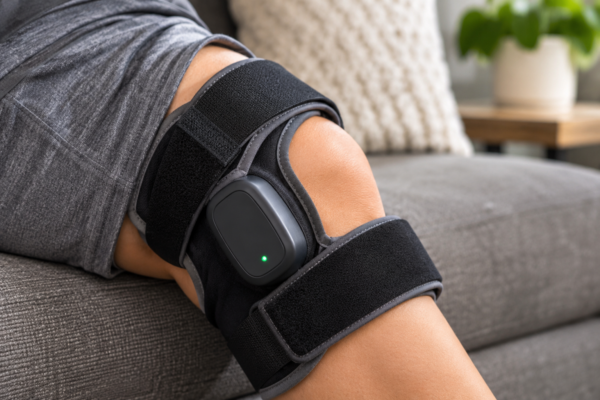 When your doctor recommends a device to help heal a broken bone, your first question is likely, is a bone stimulator safe? It’s a valid concern for any medical treatment. Fortunately, bone growth stimulators have a long history of being a safe, effective, and non-invasive option for promoting fracture healing, especially for difficult-to-heal breaks. This guide will explore the technology, its safety profile, and what you can expect during treatment. Consequently, you can make a more informed decision with your healthcare provider about your recovery plan.
How Do Bone Stimulators Work?
To understand their safety, it’s helpful to first know how bone stimulators function. These devices are not invasive; instead, they work from outside the body to encourage the body’s natural healing mechanisms at the fracture site. There are two primary types of bone stimulators that accomplish this in slightly different ways. For a deeper dive into the basics, it’s useful to understand what a bone stimulator is and the different technologies available.
The first type uses electrical fields, such as Pulsed Electromagnetic Fields (PEMF). This technology sends low-level electrical signals to the bone, mimicking the natural electrical signals the body produces during the healing process. Additionally, these signals stimulate cellular activity, which can increase bone formation and improve blood flow to the area. The second common type uses Low-Intensity Pulsed Ultrasound (LIPUS). This method delivers ultrasonic waves through the skin to the fracture, which mechanically stimulates the bone cells. As a result, this stimulation helps accelerate the different stages of bone repair.
What Are the Potential Side Effects or Risks?
A major reason bone stimulators are widely prescribed is their exceptionally low risk profile. Unlike surgical interventions, they do not carry risks of infection, anesthesia complications, or scarring. However, like any medical device, there are some potential, though typically minor, side effects. Most patients use the device without experiencing any issues at all. Importantly, these devices have been rigorously tested and approved by the FDA, confirming their general safety for prescribed use.
Common and Mild Side Effects
The side effects associated with bone stimulators are almost always localized and temporary. They rarely cause significant discomfort or require a patient to stop treatment. For example, some users might notice slight issues that are easily managed. The most frequently reported side effects include:
- Minor Skin Irritation: Some patients may experience redness or a mild rash on the skin directly under the device’s transducer head or electrodes. This can usually be resolved by cleaning the area daily and ensuring the device fits properly.
- Tingling Sensation: During treatment, it is common to feel a slight tingling at the application site. This is a normal sensation and simply indicates the device is working.
- Device Discomfort: If the device is part of a brace or is strapped on, it might feel cumbersome or awkward initially. However, proper fitting can usually alleviate this discomfort.
Contraindications and Precautions
While bone stimulators are safe for most people, there are specific situations where their use is not recommended. These are known as contraindications. For instance, individuals with certain medical implants should be cautious. Specifically, patients with pacemakers or defibrillators should not use electrical bone stimulators, as the electromagnetic fields could interfere with their implant. Furthermore, pregnant women are typically advised against using a bone stimulator as a precautionary measure. The device should also not be used over areas with active cancerous tumors. Always discuss your full medical history with your doctor to ensure the treatment is appropriate for you.
So, Is a Bone Stimulator Safe for Most Patients?
For the vast majority of individuals with slow-healing fractures, the answer is a resounding yes. When you ask, is a bone stimulator safe?, the evidence overwhelmingly points toward it being a secure and effective treatment. Its non-invasive nature is a key safety feature. There are no incisions, which eliminates the risk of surgical site infections. Moreover, the therapy is highly targeted, meaning its effects are concentrated at the fracture site with minimal impact on the rest of the body. This targeted approach is a significant reason for the low incidence of systemic side effects.
The goal of this technology is to accelerate fracture healing, which in itself is a safety benefit. Faster healing reduces the period of immobility, which can lower the risk of muscle atrophy, blood clots, and other complications associated with prolonged inactivity. Authoritative sources like the National Institutes of Health have published numerous studies confirming the efficacy and safety of these devices in treating nonunion fractures. Therefore, when used as prescribed by a healthcare professional, a bone stimulator is one of the safest options available for managing complex bone breaks.
Comparing Bone Stimulators to Other Treatments
When evaluating safety, it’s useful to compare bone stimulation with alternative treatments for nonunion or delayed-union fractures. The primary alternative is often surgery, which may involve bone grafting and internal fixation with plates and screws. While effective, surgery carries inherent risks, including adverse reactions to anesthesia, blood loss, infection, and potential damage to surrounding nerves and tissues. In contrast, a bone stimulator has none of these risks.
Another alternative is simply to wait longer, but this also has downsides. A bone that fails to heal properly can lead to chronic pain, deformity, and loss of function. Consequently, the proactive, non-invasive approach of a bone stimulator is often preferable. It can be used alongside other non-invasive treatments, such as bracing, to provide comprehensive support without the complications of surgery. For general information on fracture care, the American Academy of Orthopaedic Surgeons provides excellent patient resources.
Final Thoughts on Bone Stimulator Safety
In summary, bone stimulators are a well-established and safe technology for aiding the healing of fractures. Their non-invasive design, targeted application, and FDA approval provide a high degree of confidence for both patients and clinicians. The potential side effects are minimal, localized, and rare, especially when compared to the significant risks associated with surgical alternatives.
Ultimately, if you are still wondering, is a bone stimulator safe?, the best course of action is to discuss your specific condition, medical history, and any concerns with your orthopedic specialist. They can provide a personalized recommendation and ensure you are a suitable candidate for this effective healing therapy. By following your doctor’s instructions, you can leverage this technology to support your recovery journey safely and effectively.
Related Posts

