
Wondering, 'Do I need a professional fitting?' for your medical device? Discover why a perfect fit is crucial for comfort, safety, and effectiveness. Con...
Do Diabetic Shoes Come In Wide Widths?
 For individuals managing diabetes, the question, Do diabetic shoes come in wide widths?, is not just about comfort—it’s a critical component of preventative foot care. Standard footwear often fails to accommodate the unique needs of diabetic feet, which can lead to serious health issues. Therefore, understanding the availability and importance of wider footwear is essential for maintaining mobility and overall well-being. This guide provides a comprehensive answer and explains why the right fit is so crucial.
Why Standard Shoe Widths Often Aren’t Enough
People with diabetes frequently experience foot-related changes that make standard-sized shoes uncomfortable and even dangerous. For example, conditions like peripheral neuropathy can reduce sensation, meaning a person might not feel a blister or sore forming from a tight shoe. Additionally, poor circulation can impair the body’s ability to heal, turning a minor injury into a severe ulcer.
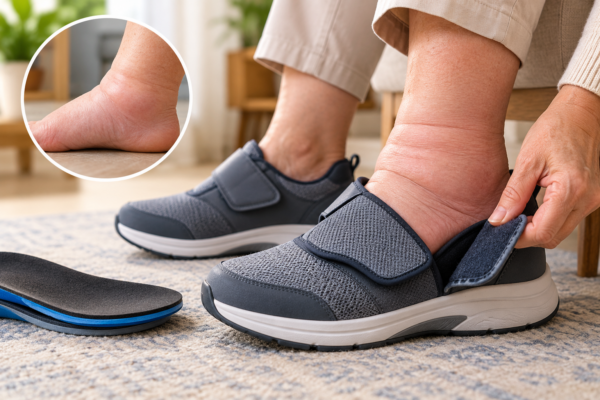
Several specific conditions necessitate wider footwear. Edema, or swelling in the feet and ankles, is a common symptom that causes foot size to fluctuate. Moreover, foot deformities such as bunions and hammertoes require extra space to prevent painful friction and pressure. A shoe that is too narrow can exacerbate these issues, leading to calluses, corns, and potentially dangerous ulcers. Consequently, a proper fit is the first line of defense against such complications. For more information, it’s helpful to recognize the common signs of diabetic foot problems early on.
What Are the Key Features of Diabetic Footwear?
Diabetic shoes are medically designed therapeutic footwear intended to protect the feet and reduce the risk of injury. Unlike regular shoes, they are built with specific protective features. Importantly, these features work together to provide a safe and comfortable environment for sensitive feet.
Understanding these characteristics helps clarify why they are so beneficial. Specifically, most high-quality diabetic shoes include the following:
- Extra Depth: Diabetic shoes are constructed with additional depth to accommodate custom orthotics or inserts, which provide targeted support and cushioning. This extra room also prevents the foot from being cramped if it swells during the day.
- Protective, Seamless Interior: To prevent irritation and rubbing, the inside of the shoe is lined with soft materials and has no protruding stitches or seams that could cause sores.
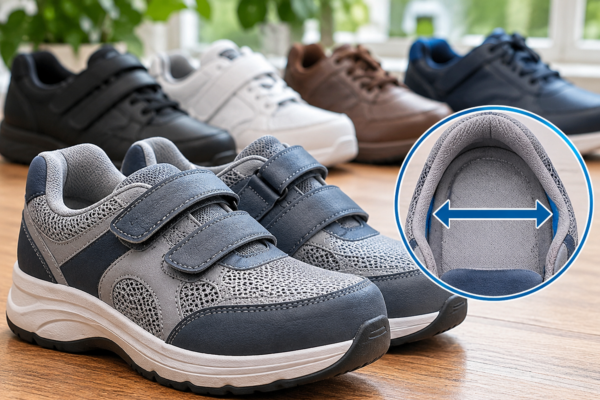
- Wide Toe Box: A spacious, non-tapered toe box allows the toes to spread out naturally. This feature reduces pressure on the forefoot and helps prevent conditions like bunions from worsening.
- Non-Binding Uppers: The upper part of the shoe is often made from flexible, breathable materials that can stretch to accommodate foot shape without constricting it.
- Supportive Midsoles and Rocker Soles: A firm midsole provides stability, while a rocker-style outsole helps distribute pressure evenly across the bottom of the foot as you walk, reducing strain on sensitive areas.
These elements combined are essential for comprehensive foot protection and daily comfort.
The Definitive Answer: Do Diabetic Shoes Come in Wide Widths?
The answer is a resounding yes. In fact, the availability of multiple width options is a hallmark of true therapeutic diabetic footwear. Manufacturers recognize that a one-width-fits-all approach is completely inadequate for diabetic foot care. As a result, they typically offer shoes in a range of sizes, including Medium (B/D), Wide (E/2E), Extra Wide (3E/4E), and even Extra-Extra Wide (5E/6E).
This variety ensures that individuals can find a shoe that perfectly matches their foot’s unique dimensions, including any swelling or deformities. When you ask, Do diabetic shoes come in wide widths?, you can be confident that the medical footwear industry has made this a priority. The goal is to provide a fit that feels custom-made, eliminating pressure points and securing the foot without being restrictive. This precise sizing is a fundamental difference between generic ‘comfort’ shoes and certified diabetic footwear.
How Can You Find the Right Wide Width?
Finding the correct shoe size and width is a critical step that should be done with care. A poorly fitting shoe, even if it’s a diabetic model, can still cause harm. Therefore, following a systematic approach to measurement is highly recommended.
Follow these steps to ensure you get the best possible fit:
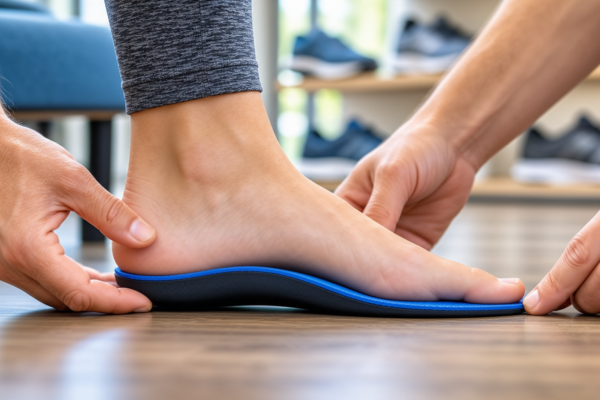
- Get Measured by a Professional: Whenever possible, have your feet measured by a podiatrist, pedorthist, or a trained shoe fitter. They have the right tools and expertise to account for length, width, and arch length.
- Measure at the End of the Day: Feet naturally swell throughout the day, so measuring in the late afternoon or evening will give you the most accurate sizing for a shoe you’ll wear all day.
- Check for Adequate Space: There should be about 3/8 to 1/2 inch of space between your longest toe and the end of the shoe. The shoe should be wide enough that the sides of your feet don’t feel squeezed.
- Wear Your Usual Socks: Always wear the type of socks or compression stockings you normally use when trying on new shoes to ensure a true fit.
For further guidance, the American Podiatric Medical Association offers valuable resources on diabetic foot health and proper footwear selection.
The Serious Risks of Ignoring Proper Shoe Width
Choosing to wear ill-fitting shoes can have severe consequences for someone with diabetes. The initial discomfort of a tight shoe can quickly escalate into a major health crisis. For instance, constant pressure and friction can cause blisters or sores. Due to neuropathy, these injuries may go unnoticed until they become infected. Furthermore, compromised circulation slows down the healing process, allowing infections to worsen and potentially spread to the bone.
This chain of events can ultimately lead to the need for amputation. The question, Do diabetic shoes come in wide widths?, is therefore directly linked to preventing these dire outcomes. Opting for properly sized, wide-width diabetic shoes is a proactive measure to safeguard your feet and your health. It is a simple choice that significantly reduces the risk of complications. The ability of diabetic shoes to accommodate swollen feet is one of their most important protective features.
Final Thoughts
To summarize, diabetic shoes are not only available in wide widths, but they are specifically designed with this need in mind. The unique construction of this footwear—from the extra depth and wide toe box to the seamless interior—is geared toward protecting vulnerable feet. As the Centers for Disease Control and Prevention (CDC) emphasizes, daily foot care is paramount in managing diabetes. Choosing the right footwear is arguably the most important step you can take. Always prioritize a professional fitting to ensure your shoes provide the protection and comfort you need to stay active and healthy.
Related Posts