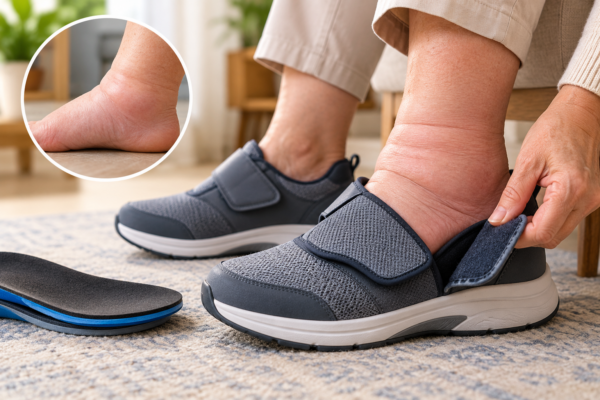

Can diabetic shoes accommodate swollen feet? Yes. They are designed with extra depth and adjustable closures to provide a comfortable, non-binding fit. L...
Can Diabetic Shoes Accommodate Swollen Feet?
 For individuals managing diabetes, foot health is a paramount concern, and dealing with swollen feet can add another layer of complexity and discomfort. This common issue leads many to ask: can diabetic shoes accommodate swollen feet? The answer is a definitive yes. In fact, they are specifically engineered not just to accommodate, but to protect and support feet prone to swelling, nerve damage, and poor circulation. Therefore, understanding their unique features is the first step toward finding lasting comfort and preventing serious complications.
Understanding Foot Swelling (Edema) in People with Diabetes
Foot swelling, medically known as peripheral edema, occurs when excess fluid gets trapped in the body’s tissues. For people with diabetes, several factors can contribute to this condition. For example, complications like heart disease, kidney issues, and poor circulation can all lead to fluid buildup in the lower extremities. Furthermore, nerve damage (neuropathy) can affect the foot’s ability to function properly, also contributing to swelling.
Importantly, this swelling can fluctuate throughout the day, often worsening in the afternoon or evening. Consequently, regular shoes become tight, restrictive, and dangerous. They can create pressure points, cause blisters, and lead to ulcers—a significant risk for anyone with diabetes. As a result, specialized footwear becomes a necessity, not a luxury. Managing edema is a critical part of diabetic care, as noted by authoritative sources like the Mayo Clinic.
Key Features: How Can Diabetic Shoes Accommodate Swollen Feet?
Diabetic shoes are not simply wider versions of standard footwear. They incorporate specific design elements to address the challenges of swollen, sensitive feet. These features work together to provide a safe, comfortable, and supportive environment that adapts to your needs.
Extra Depth and Width
One of the most crucial features is the additional room inside the shoe. Diabetic shoes are constructed with extra depth from top to bottom and are available in multiple widths (Wide, X-Wide, XX-Wide). This design provides ample space for swollen feet to rest without being constricted. Moreover, this extra room is essential for housing custom orthotics or diabetic insoles, which provide targeted support and pressure relief. This is precisely why diabetic shoes are extra deep, ensuring a non-binding fit.
Adjustable Closures
Since foot swelling can vary daily, adjustability is key. Diabetic shoes often feature closures like Velcro straps or extended laces. These allow you to easily modify the fit throughout the day, loosening the shoe as swelling increases and tightening it when it subsides. This adaptability prevents the shoe from becoming too tight, which could otherwise restrict blood flow and create dangerous pressure spots. This simple feature provides a customized fit on demand.
Seamless, Soft Interiors
Diabetic neuropathy can reduce sensation in the feet, meaning a small blister or sore could go unnoticed and develop into a serious ulcer. To prevent this, diabetic shoes are made with soft, padded interiors and have no protruding seams. This smooth lining minimizes friction and irritation against the skin, protecting it from potential injury. Similarly, a padded tongue and collar add to the overall comfort and reduce pressure around the ankle.
What are the risks of improper footwear?
Wearing the wrong shoes when you have diabetic foot swelling can lead to severe consequences. The question of can diabetic shoes accommodate swollen feet is not just about comfort; it’s about preventing serious health complications. Tight, ill-fitting shoes can cause or worsen a range of problems, including foot ulcers, infections, calluses, and even falls due to instability. For a person with diabetes, an untreated foot ulcer can lead to hospitalization and, in worst-case scenarios, amputation. Therefore, investing in proper footwear is a critical component of preventative diabetic foot care.
Choosing the Right Diabetic Shoes for Your Needs
Selecting the perfect pair involves more than just picking a style. To ensure you get the maximum benefit, it’s important to approach the process thoughtfully. Following a few key steps can make all the difference in finding footwear that truly supports your health.
- Get Professionally Fitted: Always have your feet measured by a professional. A certified pedorthist or a specialist at a medical supply store can assess your specific needs, including the degree of swelling and any foot deformities.
- Shop at the End of the Day: Measure your feet in the late afternoon or evening. Feet naturally swell throughout the day, so this ensures you get a size that will fit when they are at their largest.
- Check for Key Features: When you choose the best diabetic footwear, inspect the shoe for a wide toe box, extra depth, adjustable closures, and a firm heel counter for support. The sole should be sturdy but have some flexibility.
- Prioritize Protection: As recommended by the American Diabetes Association, protecting your feet is a top priority. Ensure the shoe provides adequate protection from all sides.
- Consider Your Lifestyle: Think about your daily activities. Do you need a walking shoe, a dress shoe, or a versatile everyday option? Many brands now offer stylish diabetic shoes that don’t compromise on medical-grade features.
In addition to proper footwear, managing the root cause of swelling is also vital. For some, this may involve discussing options like nightwear compression with their doctor to help manage chronic swelling and improve circulation.
Conclusion: Finding Comfort and Protection for Swollen Feet
So, can diabetic shoes accommodate swollen feet? Absolutely. They are an essential tool in managing diabetic foot health, specifically designed with features like extra depth, adjustable closures, and seamless interiors to provide a safe and comfortable fit. By choosing the right pair and prioritizing a professional fitting, you can significantly reduce your risk of complications, improve your mobility, and walk with greater confidence. Ultimately, investing in high-quality diabetic footwear is an investment in your overall health and well-being.
Related Posts