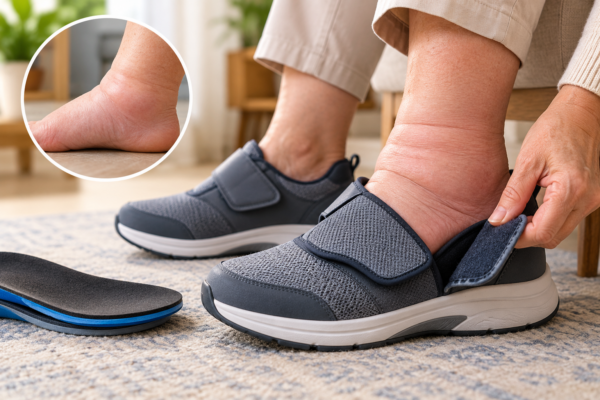

Can diabetic shoes accommodate swollen feet? Yes. They are designed with extra depth and adjustable closures to provide a comfortable, non-binding fit. L...
How to Choose Orthopedic Diabetic Walking Shoes
 Choosing the right footwear is especially important for people with diabetes. Diabetes can affect foot sensation, circulation, skin health, and the way pressure is distributed across the feet. Because of these factors, ordinary shoes may not always provide the support, protection, and fit needed for comfortable daily walking.
Orthopedic diabetic walking shoes are designed with features that can help reduce pressure points, accommodate the shape of the foot, and provide a more supportive walking experience. However, not every diabetic shoe is suitable for every person. The right choice depends on factors such as fit, cushioning, width, stability, materials, and individual foot needs.
Understanding these features can make it easier to select footwear that supports everyday mobility while helping protect vulnerable areas of the feet.
Why the Right Footwear Matters for Diabetes
People with diabetes may experience changes in foot sensation, including reduced sensitivity to pressure, heat, or minor injuries. This can make it harder to notice rubbing, tight areas, blisters, or other sources of irritation.
Poorly fitting footwear can create repeated pressure against the toes, heels, sides of the feet, or areas affected by structural changes. Over time, these pressure points may contribute to skin irritation or injury.
Supportive footwear can help by providing adequate room, cushioning, stability, and protection. While shoes cannot prevent every diabetic foot problem, appropriate footwear can be an important part of an overall foot-care routine.
What Are Orthopedic Diabetic Walking Shoes?
Orthopedic diabetic walking shoes are footwear designed to provide additional support and protection for people who may have specific foot-care needs. They commonly include features such as a wider toe box, cushioned insoles, supportive soles, adjustable closures, and interiors designed to minimize unnecessary pressure.
The term “orthopedic” does not mean that every shoe is medically appropriate for every foot condition. A shoe should still be selected according to the wearer’s individual needs and, when necessary, guidance from a healthcare professional or qualified foot-care specialist.
Look for a Wide and Comfortable Toe Box
One of the most important features of diabetic footwear is sufficient space around the toes. A narrow toe box can squeeze the toes together and create pressure against the sides or top of the foot. This may be particularly uncomfortable for people with swelling, bunions, hammertoes, or other structural changes.
When evaluating diabetic sneakers or walking shoes, look for a toe box that allows the toes to spread naturally without allowing the foot to slide excessively inside the shoe. The shoe should provide enough vertical and horizontal space without feeling loose or unstable.
Choose the Correct Shoe Width
Shoe length is only one part of getting the right fit. Width is equally important. Some people with diabetes may experience swelling or changes in foot shape, making standard-width footwear uncomfortable. Shoes available in multiple widths can provide more flexibility when selecting a suitable fit.
A properly fitted shoe should not create noticeable pressure along the sides of the foot. If the shoe feels tight even when the length appears correct, a wider option may be more appropriate.
Prioritize Cushioning and Pressure Distribution
Walking creates repeated impact and pressure through the feet. Supportive cushioning can help make walking more comfortable and may reduce concentrated pressure in certain areas.
However, excessive softness is not always ideal. A shoe should balance cushioning with stability. The sole should provide enough support for the intended walking surface while allowing a natural and controlled stride. Look for footwear with cushioning that feels comfortable without making the foot feel unstable.
Consider Arch and Overall Foot Support
Foot structure varies considerably from person to person. Some people require more arch support, while others may need a different type of insole or additional accommodation.
Orthopedic diabetic walking shoes may include removable insoles that allow for custom or prescription orthotics when appropriate.
If you already use an orthotic device, check that the shoe has enough depth and removable insole space to accommodate it comfortably. A shoe that fits without an orthotic may become too tight once the insert is added.
Look for Adjustable Closures
Adjustable closures can make it easier to achieve a secure and comfortable fit. Common options include laces, hook-and-loop closures, and other adjustable fastening systems. Adjustable shoes can be especially useful when foot size or swelling changes throughout the day. The closure should hold the foot securely without creating excessive pressure across the top of the foot.
Choose Breathable Materials
Footwear materials can affect comfort and moisture management. Breathable materials may help allow air circulation around the feet, which can make shoes more comfortable during extended periods of walking. Moisture can contribute to skin irritation, so keeping the feet appropriately dry is an important part of general diabetic foot care. Look for shoes with materials that provide ventilation while still offering adequate structure and protection.
Check the Interior for Irritating Seams
The inside of a shoe is just as important as its external appearance. Rough seams, hard edges, or poorly positioned internal components can rub against the foot during walking. For people with reduced sensation, minor irritation may not always be noticed immediately.
Whenever possible, check the inside of the shoe for a smooth, comfortable construction. The foot should not come into repeated contact with a seam or hard area.
Choose a Stable Sole
A supportive outsole can contribute to walking stability and balance. Look for a sole that provides appropriate traction for the surfaces where the shoes will normally be worn. The sole should be stable without being unnecessarily rigid or heavy.
A well-designed walking shoe should also allow the foot to move naturally through the walking cycle while maintaining adequate support.
Consider Heel Stability
Heel support can affect how securely the foot sits inside the shoe. A properly structured heel area can help prevent excessive movement and reduce unnecessary friction. The heel should feel comfortably held without being squeezed.
When trying on shoes, walk around and pay attention to whether the heel repeatedly lifts or slips. Excessive movement may indicate that the shoe is not providing the right fit.
Pay Attention to Shoe Depth
Depth can be just as important as width for people with specific foot conditions. Additional depth may be useful for accommodating swelling, hammertoes, bunions, custom inserts, or other foot characteristics. A shoe can have the correct length and width but still feel restrictive if there is insufficient space above the foot. When choosing supportive footwear, Xceed Medical can help individuals consider both the horizontal and vertical space available inside the shoe to find an appropriate fit.
Measure Your Feet Regularly
Foot size and shape can change over time. Swelling, age, changes in activity, and other factors may affect how footwear fits.
Measure both feet because one foot may be slightly different in size or shape from the other. Choose footwear based on the larger foot when necessary, while making sure both feet remain comfortably supported. Trying shoes later in the day can also be useful because some people experience increased foot swelling as the day progresses.
Think About Your Walking Routine
The best diabetic sneakers depend partly on how they will be used. Someone who takes short walks around the home may have different footwear needs from someone who walks outdoors for extended periods. Consider the surfaces, distance, frequency, and type of activity involved.
For regular walking, prioritize comfort, stability, cushioning, traction, and appropriate support. For specialized activities, additional footwear features may be necessary.
Inspect Your Shoes Regularly
Check the soles, insoles, closures, and interior regularly for signs of wear or damage. Flattened cushioning, worn tread, damaged lining, or distorted shoe structure can affect fit and support.
Also pay attention to how the shoes feel. A pair that was once comfortable may eventually develop pressure points as its structure changes.
Pair Footwear With Good Foot-Care Habits
Choosing appropriate footwear is only one part of protecting diabetic feet. Regular foot checks can help identify redness, swelling, blisters, cuts, changes in skin condition, or other abnormalities. Socks should also be comfortable and free from features that create unnecessary pressure.
Avoid walking barefoot when foot protection is important, particularly in environments where the feet may be exposed to injury.
If you notice a wound, persistent redness, swelling, pain, discoloration, or another concerning change, seek appropriate medical advice rather than relying on footwear alone.
When to Seek Professional Guidance
Some people may have foot characteristics or medical needs that require more specialized footwear. Consider discussing footwear with a healthcare professional or qualified foot-care specialist if you have significant loss of sensation, recurring foot problems, structural deformities, persistent pressure areas, swelling, or a history of foot ulcers.
A professional can help determine whether standard diabetic footwear is appropriate or whether therapeutic footwear, custom orthotics, or another option may be more suitable.
Final Thoughts
Choosing the right orthopedic diabetic walking shoes involves more than selecting a shoe labeled for diabetes. Fit, width, toe-box space, cushioning, stability, depth, materials, adjustability, and interior construction all play an important role.
The best footwear should feel comfortable, provide adequate support, minimize unnecessary pressure, and accommodate the individual shape and needs of the feet. Regularly checking both the shoes and your feet can also help identify potential problems early.
For people with diabetes, footwear should be considered an important part of an overall foot-care and mobility routine. When individual foot concerns are present, professional guidance can help determine the most appropriate footwear solution. Contact us today to learn more about suitable footwear options and find a solution that supports comfort, fit, and everyday mobility.
FAQs
What are orthopedic diabetic walking shoes?
Orthopedic diabetic walking shoes are designed to provide additional comfort, support, cushioning, and protection for people with diabetes and specific foot-care needs.
What should I look for in diabetic walking shoes?
Look for a wide and comfortable toe box, proper width and depth, cushioning, stable soles, heel support, breathable materials, adjustable closures, and a smooth interior.
Should diabetic shoes have a wide toe box?
Yes. A spacious toe box can help reduce pressure on the toes and accommodate foot conditions such as bunions, hammertoes, or swelling.
How should diabetic walking shoes fit?
They should provide enough room for the toes without allowing excessive foot movement. The heel should remain secure, and the shoe should not create pressure points or rubbing.
Can diabetic walking shoes accommodate custom orthotics?
Many diabetic walking shoes have removable insoles and additional depth that can accommodate custom or prescription orthotics. Check the shoe’s available depth before purchasing.
Related Posts