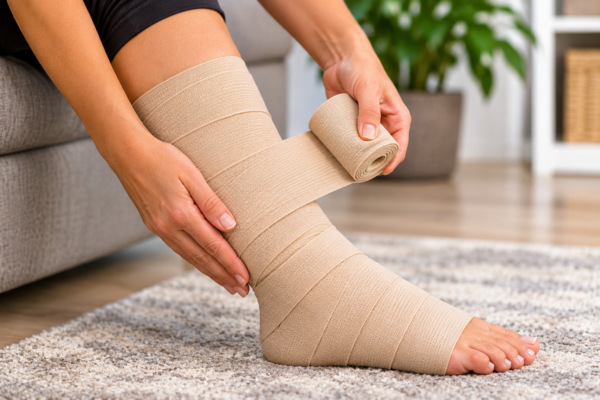

Struggling with your garments? Learn the correct technique with our guide on 'How do I put on compression wraps?' for effective results and comfort. Lear...
What’s The Difference Between 15-20 Mmhg And 20-30 Mmhg?
 Navigating the world of compression therapy can be confusing, especially when faced with numbers and acronyms. If you’re asking, what’s the difference between 15-20 mmHg and 20-30 mmHg, you’re taking a crucial step toward finding the right support for your legs and overall circulatory health. These numbers represent different levels of pressure, and choosing the correct one is essential for effectiveness and comfort. Consequently, understanding their specific applications will empower you to make an informed decision with your healthcare provider.
Understanding Compression Levels: What is mmHg?
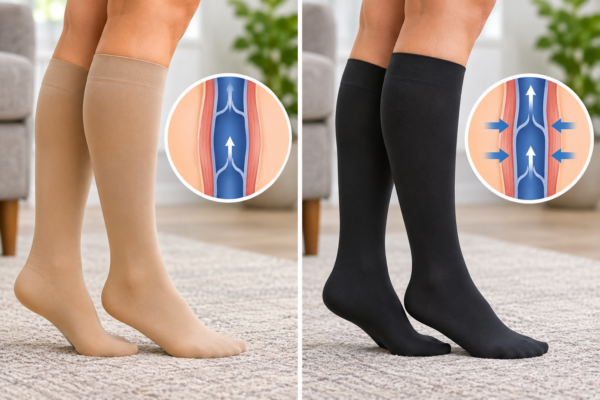
Before diving into the differences, it’s important to clarify what mmHg means. The acronym stands for “millimeters of mercury,” a standard unit of pressure measurement. In the context of compression stockings, it indicates the amount of graduated pressure the garment applies to your legs. Graduated compression means the pressure is strongest at the ankle and gradually decreases up the leg. This design helps fight the effects of gravity and promotes better blood flow from the legs back to the heart.
Furthermore, this mechanism is fundamental to how all compression garments work, from mild support socks to medical-grade stockings. The specific pressure range, like 15-20 mmHg or 20-30 mmHg, determines the strength of this support and dictates its intended use. For this reason, these levels are not interchangeable and serve distinct therapeutic purposes.
The 15-20 mmHg Compression Level: Mild, Everyday Support
The 15-20 mmHg range is considered a mild or moderate level of compression. It’s often the starting point for those new to compression wear and is widely available over-the-counter. This level provides gentle support that can energize legs, reduce minor swelling, and alleviate achiness from prolonged periods of sitting or standing.
Common Uses for 15-20 mmHg Compression
This level is ideal for proactive and preventative care. For example, many people use it for:
- Travel: To prevent swelling and reduce the risk of blood clots (DVT) on long flights or car rides.
- Pregnancy: To manage minor swelling (edema) and varicose veins that can develop during pregnancy.
- Occupational Support: For professionals who stand or sit all day, such as nurses, teachers, and office workers, to prevent tired, achy legs.
- Minor Swelling and Fatigue: For general leg tiredness and slight swelling that may occur at the end of the day.
Essentially, 15-20 mmHg is the go-to for enhancing daily comfort and preventing potential circulatory issues before they become more serious. It offers support without feeling overly restrictive, making it suitable for all-day wear. For more details on the basics, understanding how compression stockings work provides a great foundation.
The 20-30 mmHg Compression Level: Firm, Medical-Grade Support
Once you move into the 20-30 mmHg range, you are entering the territory of firm, medical-grade compression. This level is significantly stronger and is typically recommended by a doctor or healthcare professional to manage specific medical conditions. Garments with this pressure are designed to treat moderate to severe circulatory problems.
When is 20-30 mmHg Compression Recommended?
A healthcare provider might prescribe 20-30 mmHg compression for several reasons. Specifically, this level is effective for managing:
- Moderate Varicose Veins: To control the discomfort and progression of more pronounced varicose veins.
- Post-Surgical Recovery: To prevent blood clots and manage swelling after vein procedures or other surgeries.
- Moderate Edema or Lymphedema: To manage persistent fluid buildup in the legs.
- Post-Sclerotherapy: To aid in the healing process after treatment for spider or varicose veins.
- Orthostatic Hypotension: To help manage dizziness upon standing by improving blood flow.
Because this level provides firm pressure, it’s crucial that it is recommended by a professional. Improper use could be uncomfortable or ineffective. Moreover, this level of compression therapy for circulation is a recognized medical treatment for various venous disorders, as supported by extensive research like this study on graduated compression stockings from the National Institutes of Health.
What’s the difference between 15-20 mmHg and 20-30 mmHg in Practice?
The primary distinction lies in the force applied to your legs and the conditions each level is designed to address. While 15-20 mmHg is for preventative care and managing mild symptoms, 20-30 mmHg is for treating active, diagnosed medical issues. Think of it as the difference between a daily supplement and a prescribed medication. One is for general wellness, while the other is a targeted treatment.
Additionally, the feel of the garments is quite different. A 15-20 mmHg stocking feels snug and supportive, like a firm hug. In contrast, a 20-30 mmHg stocking is noticeably tighter and requires more effort to put on. This firmness is necessary for it to be therapeutically effective for moderate conditions.
How Do I Choose the Right Compression Level for Me?
Choosing the right compression level is not a guessing game. The best course of action is always to consult with a doctor or a certified fitting specialist. They can properly diagnose any underlying conditions and recommend the appropriate pressure level for your specific needs. However, here are some general guidelines to discuss with your provider:
- Assess Your Symptoms: Are you dealing with tired, achy legs after a long day, or are you managing diagnosed varicose veins and persistent swelling? Mild symptoms often point to 15-20 mmHg, whereas moderate to severe symptoms require 20-30 mmHg or higher.
- Consider Your Lifestyle: If you are looking for preventative support for travel or a demanding job, 15-20 mmHg is likely the correct choice. If you are recovering from surgery or managing a chronic venous condition, your doctor will likely recommend 20-30 mmHg.
- Get Professionally Measured: For medical-grade compression (20-30 mmHg and above), getting precise measurements is critical to ensure the garment fits correctly and provides accurate pressure.
Ultimately, the process of choosing the right compression garments should be a collaborative effort between you and your healthcare provider to ensure both safety and effectiveness.
Key Takeaways: Making an Informed Decision
In summary, the answer to what’s the difference between 15-20 mmHg and 20-30 mmHg comes down to purpose and pressure. The 15-20 mmHg level offers mild support for prevention and comfort, ideal for managing minor swelling and leg fatigue. Conversely, the 20-30 mmHg level provides firm, medical-grade compression for treating diagnosed conditions like moderate varicose veins and edema. Always consult a healthcare professional to determine which level is right for you, ensuring you get the maximum benefit from your compression therapy.
Related Posts