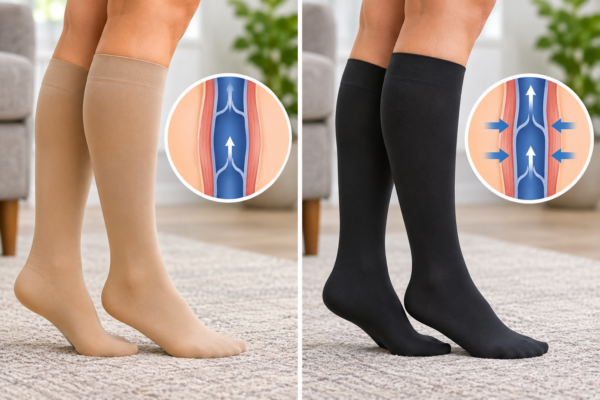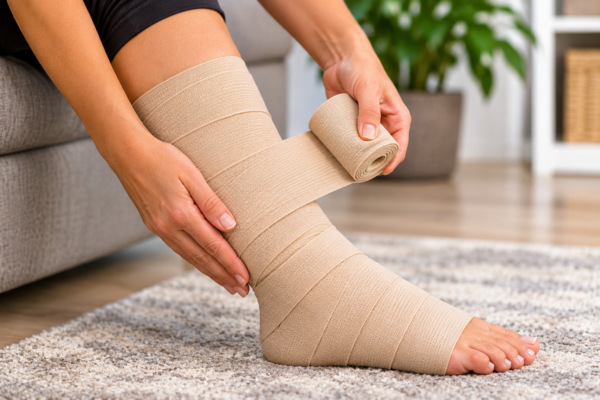

Confused about compression levels? Learn what's the difference between 15-20 mmHg and 20-30 mmHg to choose the right support for your needs. Find your fit!
How Long Do Compression Wraps Last?
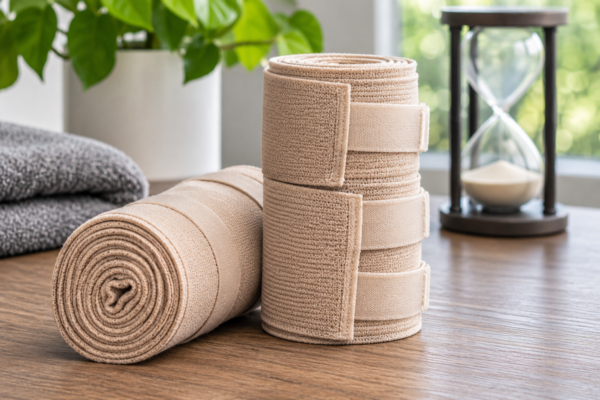 Understanding how long do compression wraps last is crucial for ensuring you receive their full therapeutic benefits. These medical garments are designed to provide specific levels of pressure to manage conditions like lymphedema, venous insufficiency, and swelling. However, their effectiveness diminishes over time as the material stretches and degrades. Consequently, using a wrap beyond its intended lifespan can compromise your treatment and overall health. This guide will walk you through the typical lifespan of compression wraps, how to identify signs of wear, and methods for extending their usability.
Understanding the Lifespan of Compression Wraps
The longevity of a compression wrap is not indefinite. Generally, with regular daily use, most high-quality compression wraps are designed to last between three to six months. After this period, the elastic fibers within the fabric begin to break down, leading to a significant loss in the compressive pressure they can apply. Therefore, replacing them on a consistent schedule is essential for maintaining the efficacy of your treatment plan.
Furthermore, several factors can influence this timeframe. For example, the frequency of use plays a major role; a wrap worn 24/7 will naturally wear out faster than one used only for a few hours each day. Similarly, the type of material, the specific condition being treated, and your personal activity level all contribute to the wear and tear on the garment. Proper care and maintenance, however, can help you get the most out of every wrap.
What Are the Signs That a Compression Wrap Needs Replacing?
Recognizing when a compression wrap has reached the end of its life is key to effective management of your condition. Instead of just tracking months on a calendar, you should regularly inspect your garments for visible and functional signs of degradation. Paying attention to these indicators ensures you replace your wrap before it becomes ineffective. Here are the most common signs that it’s time for a new one:
- Loss of Elasticity: The most critical sign is a noticeable loss of stretch and recoil. If the wrap feels loose, doesn’t fit as snugly as it once did, or you have to pull it significantly tighter to feel any pressure, its compressive qualities have likely faded.
- Visible Damage: Inspect the wrap for physical signs of wear. This includes fraying edges, thinning fabric, runs, or outright holes. Damaged material cannot provide consistent, graduated pressure across the limb.
- Inconsistent Pressure or Bunching: A properly functioning wrap should provide smooth, even pressure. If you notice it bunching, wrinkling, or sliding down frequently during the day, it’s a strong indicator that the material has lost its structural integrity.
- Stains and Odors: While proper washing can manage most stains and odors, a wrap that retains a persistent smell even after cleaning may be harboring bacteria. Moreover, harsh cleaning agents used to remove tough stains can accelerate fabric breakdown.
- Failing Fasteners: For wraps that use Velcro or other fastening systems, check their grip. If the fasteners are clogged with lint or have lost their ability to hold securely, the wrap cannot be applied correctly and will not provide the necessary support.
Maximizing the Life of Your Wraps
While replacement every few months is inevitable, you can take specific steps to maximize the lifespan of your compression wraps. Proper care not only extends their usability but also ensures they remain hygienic and comfortable. Importantly, always follow the manufacturer’s specific instructions, as materials can vary. Here are some best practices for wrap maintenance:
- Wash It Regularly and Correctly: Body oils, sweat, and dead skin cells can break down the elastic fibers. Therefore, you should wash your wrap after each use if possible. Use a mesh laundry bag to protect it in the washing machine on a gentle cycle with cool water.
- Use Mild Detergent: Avoid using harsh chemicals, bleach, or fabric softeners. These products can damage the delicate elastic fibers. Instead, opt for a mild, pH-neutral soap or a detergent specifically designed for compression garments.
- Air Dry Only: Never put your compression wrap in a machine dryer. The high heat will destroy the elasticity. After washing, gently roll the wrap in a towel to remove excess water, then lay it flat or hang it to air dry away from direct sunlight or heat sources.
- Rotate Between Multiple Wraps: If you wear compression daily, owning at least two wraps is highly beneficial. This allows you to rotate them, giving the elastic fibers in each garment a chance to rest and recover their shape for 24 hours between uses.
The Importance of Knowing How Long Do Compression Wraps Last
The question of how long do compression wraps last is more than a matter of economics; it’s a matter of health. Using a worn-out wrap is not a neutral act—it can be detrimental. When a wrap loses its ability to provide the prescribed level of compression, the management of your medical condition can be compromised. For instance, insufficient pressure can lead to a resurgence of swelling, pain, or other symptoms that the wrap was meant to control. This is a core principle of compression therapy, which relies on consistent and accurate pressure.
Moreover, an old wrap that bunches or sags can create a tourniquet effect, concentrating pressure in one area instead of distributing it evenly. This can impede circulation rather than aid it, potentially causing skin irritation, sores, or other complications. As a result, adhering to a replacement schedule and monitoring for signs of wear are non-negotiable aspects of successful treatment. Discussing a replacement plan with your healthcare provider can help you stay on track and ensure your therapy remains effective.
Ultimately, investing in new wraps is an investment in your health. When it is time to get a new one, understanding the process of choosing the right compression garments is your next step. Factors like material, size, and compression level should be re-evaluated to ensure they still meet your needs. Knowing the answer to how long do compression wraps last empowers you to take control of your health and get the best possible results from your effective compression therapy.
Final Thoughts on Compression Wrap Longevity
To summarize, a compression wrap is a medical tool with a finite lifespan, typically lasting three to six months with regular use. Its longevity depends on factors like material, frequency of wear, and, most importantly, your care routine. By learning to recognize the signs of wear—such as lost elasticity, visible damage, and poor fit—you can ensure you are always using a garment that provides effective therapeutic pressure. Following proper washing and drying protocols can help you get the most out of each wrap. Remember that using a wrap past its prime can hinder your treatment, so proactive replacement is a critical component of your health management strategy.
Related Posts