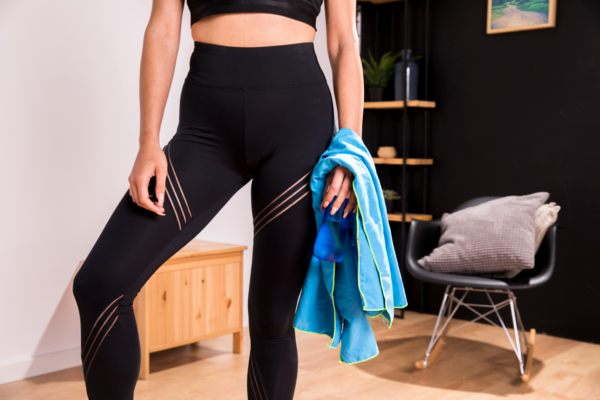

Compression garments are designed to apply controlled pressure to specific areas of the body. They…
What Are Compression Stockings?
 If you’ve ever wondered what are compression stockings, you’re not alone. These specialized garments are designed to apply gentle pressure to your legs and ankles, promoting better blood flow from your legs back to your heart. Consequently, they are a cornerstone of treatment and prevention for a variety of circulatory issues. Unlike regular socks, they are engineered with a specific pressure gradient to support your veins and reduce discomfort and swelling. This guide will explore their function, benefits, and how to choose the right pair for your needs.
How Do Compression Stockings Work?
The primary mechanism behind compression stockings is graduated pressure. This means the pressure is strongest at the ankle and gradually decreases as it moves up the leg. Therefore, this design effectively counteracts the effects of gravity, helping the veins in your legs return deoxygenated blood to the heart more efficiently. By squeezing the leg tissues and the walls of the veins, they can improve overall circulation and prevent blood from pooling in the lower extremities.
Additionally, this enhanced blood flow helps reduce swelling (edema), alleviates feelings of tired or aching legs, and can prevent the formation of blood clots. For example, in cases of chronic venous insufficiency, where vein valves are weakened, compression provides the external support needed to maintain healthy circulation and prevent further complications. The consistent pressure is a simple yet powerful tool for managing vascular health.
Who Can Benefit from Wearing Compression Stockings?
A wide range of individuals can experience significant benefits from using compression therapy. The applications span from managing serious medical conditions to improving comfort in daily life. Importantly, consulting with a healthcare provider is crucial to determine if they are right for you.
Common Medical Conditions
For many, compression stockings are a medical necessity prescribed by a doctor. They are a proven treatment for several conditions, including:
- Chronic Venous Insufficiency (CVI): Helps manage symptoms like swelling, skin changes, and venous ulcers.
- Varicose and Spider Veins: Reduces pain and may help slow the progression of the condition.
- Deep Vein Thrombosis (DVT): Used to prevent blood clots, especially in post-surgical patients or those on long periods of bed rest.
- Lymphedema: Manages swelling caused by a compromised lymphatic system.
- Orthostatic Hypotension: Prevents the sudden drop in blood pressure when standing up.
Lifestyle and Occupational Uses
Beyond medical treatment, many people use compression stockings for wellness and prevention. For instance, certain lifestyles and professions put extra strain on the circulatory system. Consider wearing them if you are:
- An Athlete: To improve performance, reduce muscle soreness, and speed up recovery.
- Pregnant: To manage swelling in the feet and ankles and prevent varicose veins.
- A Frequent Traveler: To reduce the risk of DVT during long flights or car rides.
- A Professional Who Stands or Sits All Day: Nurses, teachers, retail workers, and office employees can all benefit from reduced leg fatigue and swelling.
What Are the Different Types and Levels of Compression?
Understanding the various types is key to selecting the right product. Compression is measured in millimeters of mercury (mmHg), and stockings are categorized by their pressure level. Furthermore, they come in different lengths, such as knee-high, thigh-high, and full-waist pantyhose styles.
Over-the-Counter vs. Prescription Grade
The main distinction lies in the amount of pressure they provide. Choosing the correct level is essential for both safety and effectiveness.
- Mild Support (8-15 mmHg): Available over-the-counter, these are great for tired, achy legs and for preventative care during travel.
- Moderate Compression (15-20 mmHg): Also available over-the-counter, this is the most common level used for preventing swelling during travel, managing minor varicose veins, and for occupational use.
- Firm Compression (20-30 mmHg): Typically requires a doctor’s prescription. This level is used to manage more significant edema, active varicose veins, and post-surgically. This is a common starting point for true medical compression therapy.
- Extra-Firm Compression (30-40+ mmHg): Strictly prescription-only, this level is reserved for serious conditions like DVT, lymphedema, and severe chronic venous insufficiency.
A Practical Guide to What are compression stockings?
Choosing the right pair involves more than just picking a color. To get the full benefit, you must consider the fit, material, and pressure level. As a result, getting professional guidance is highly recommended. An improper fit can be uncomfortable or, worse, ineffective. A healthcare professional can take precise measurements of your legs to ensure you get a garment that provides the correct graduated pressure where you need it most.
Moreover, you should learn how to put them on correctly, as they are much tighter than regular socks. There are specific techniques and even devices to help. Proper care, including regular washing according to manufacturer instructions, will also extend their life and maintain their compressive qualities. For those with persistent issues, exploring options like nightwear compression can provide around-the-clock support. Understanding the full scope of what are compression stockings and how to use them is the first step toward better leg health.
Key Takeaways and Next Steps
In summary, compression stockings are a powerful tool for anyone experiencing or looking to prevent circulatory problems in their legs. From alleviating tired legs after a long day to managing serious medical conditions, their benefits are well-documented. They work by applying graduated pressure to improve blood flow, reduce swelling, and support your veins. Remember, the key to success with compression wear is choosing the right pressure level and ensuring a proper fit.
If you are experiencing symptoms like leg pain, swelling, or visible varicose veins, it’s time to investigate your circulation problems. For more information on the science behind these garments, authoritative sources like the National Library of Medicine offer in-depth articles. You can read more on StatPearls. If you believe compression therapy could be right for you, the next step is to consult with a specialist. They can provide a proper diagnosis and a prescription if needed. Ready to take control of your leg health? Contact us to learn more about our compression solutions.
Related Posts