
Wondering, can a neck brace help cervical radiculopathy? Learn how cervical collars work to reduce pain, the types available, and when to use one. Contac...
Why Are Diabetic Shoes Extra Deep?
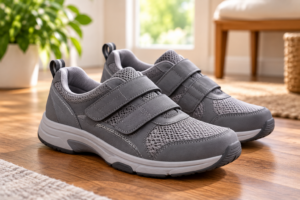 For individuals managing diabetes, foot care is a critical component of overall health. A common question that arises is, why are diabetic shoes extra deep? The answer lies in a combination of preventative design, accommodation for common diabetic foot conditions, and the need for specialized inserts. This extra space is not just for comfort; it is a crucial feature designed to protect feet from serious complications.
The Core Reasons for Extra Depth in Diabetic Footwear
The distinctive design of diabetic shoes is intentional, with every feature aimed at minimizing risk. The additional depth serves several primary functions that directly address the challenges faced by individuals with diabetes, such as neuropathy (nerve damage) and poor circulation.
1. Accommodating Custom Orthotics and Inserts
Perhaps the most significant reason for the extra depth is to house custom or pre-fabricated orthotics. Many people with diabetes require these inserts to provide arch support, correct foot alignment, and redistribute pressure away from sensitive areas. Consequently, standard shoes often lack the necessary volume to fit these inserts without cramping the foot, which would defeat their purpose. The extra depth ensures there is ample room for both the foot and the orthotic, providing a comfortable, therapeutic fit.
2. Preventing Unnecessary Pressure and Friction
Diabetic neuropathy can reduce sensation in the feet, meaning a person might not feel a blister, cut, or sore developing. Therefore, preventing these injuries is paramount. An extra-deep shoe, often paired with a wide toe box, ensures that the foot is not constricted. This space minimizes the rubbing and pressure that can lead to skin breakdown, calluses, and ulcers—a major concern for anyone with diabetes. For more information on preventative measures, explore our guide on essential diabetic foot care tips.
3. Managing Foot Swelling (Edema)
Foot and ankle swelling, or edema, is another common issue for people with diabetes, often resulting from poor circulation or other related conditions. This swelling can fluctuate throughout the day. Diabetic shoes with extra depth provide the necessary space to accommodate these changes in foot volume without becoming tight or restrictive. This adaptability is crucial for maintaining consistent comfort and avoiding pressure points.
What are the Key Features of a Good Diabetic Shoe?
While depth is a headline feature, it works in concert with other design elements to provide comprehensive protection. When looking for diabetic footwear, you should also consider the following features:
- Seamless Interior: A smooth, stitch-free lining reduces the risk of irritation and friction against the skin.
- Wide Toe Box: This allows the toes to spread out naturally, preventing pressure on bunions or hammertoes.
- Firm Heel Counter: Provides stability and support to the back of the foot, controlling motion and preventing slippage.
- Protective, Rocker Soles: These curved soles help to reduce pressure on the ball of the foot and facilitate a more natural walking motion.
- Adjustable Closures: Features like Velcro straps or laces allow for a customized fit that can be adjusted for swelling.
Why Are Diabetic Shoes Extra Deep? It’s About Proactive Prevention
Understanding why are diabetic shoes extra deep is to understand the proactive nature of diabetic foot care. It’s not just about comfort; it’s about creating a safe environment for the feet to prevent devastating complications. According to the American College of Foot and Ankle Surgeons, proper footwear is one of the most effective ways to prevent foot ulcers. An ulcer can quickly become infected and, in severe cases, may lead to amputation. The extra depth, therefore, is a critical design choice that directly contributes to limb preservation and overall well-being. This is why understanding the essentials of foot protection is so important.
Choosing the Right Footwear for Your Health
Selecting the correct footwear is a decision that should be made with care. Importantly, it is always recommended to consult with a podiatrist or healthcare provider to get a professional fitting and recommendation. They can assess your specific needs, including the potential need for custom orthotics. Furthermore, they can guide you on how to choose the best diabetic footwear for your lifestyle and condition. Remember that in many cases, including for Medicare beneficiaries, the cost of diabetic shoes may be covered by insurance if prescribed by a doctor. For more details, you can refer to authoritative sources like the Centers for Medicare & Medicaid Services.
Final Thoughts
In conclusion, the answer to why are diabetic shoes extra deep is multifaceted. This essential design feature provides the necessary space for custom orthotics, prevents dangerous pressure and friction by offering a non-constrictive fit, and accommodates fluctuating foot swelling. By investing in properly designed diabetic footwear, individuals can take a significant and proactive step in protecting their feet, preventing serious complications, and maintaining their mobility and quality of life. Always prioritize a professional fitting to ensure your shoes provide the maximum benefit.
Related Posts