

Choosing the right footwear is especially important for people with diabetes. Diabetes can affect foot…
Can Diabetic Shoes Accommodate Swollen Feet?
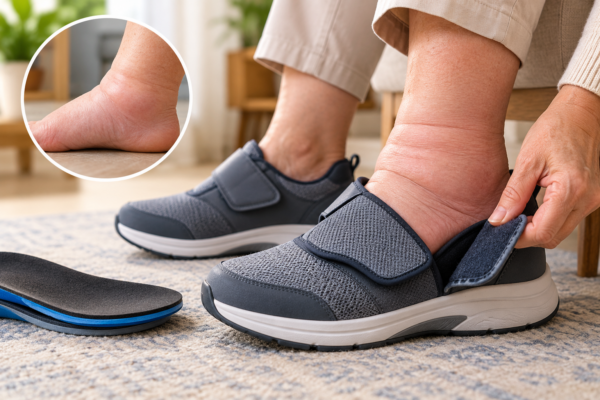 For individuals managing diabetes, the question, can diabetic shoes accommodate swollen feet?, is a critical one. The answer is a definitive yes. Swelling in the feet, also known as edema, is a common concern that can lead to significant discomfort and serious health complications if not addressed with proper footwear. Consequently, standard shoes often become restrictive and dangerous. Diabetic shoes, in contrast, are specifically engineered with features designed to provide a safe, comfortable, and adaptable fit for feet that change in size throughout the day. Therefore, understanding their benefits is the first step toward better foot health.
Understanding Why Feet Swell with Diabetes
Before exploring the features of diabetic shoes, it’s helpful to understand why swelling occurs. Several diabetes-related factors can contribute to edema. For example, poor circulation (peripheral vascular disease) makes it difficult for the body to pump fluid up from the legs and feet. Additionally, nerve damage (neuropathy) can affect the foot’s ability to signal problems, while other conditions like heart or kidney issues can also cause fluid retention. When feet swell, wearing conventional shoes can create excessive pressure points. This pressure significantly increases the risk of blisters, sores, and ulcers, which can be slow to heal and prone to infection. As a result, specialized footwear becomes not just a comfort item, but a medical necessity.
Key Features: How Can Diabetic Shoes Accommodate Swollen Feet?
The unique design of diabetic footwear directly addresses the challenges of swollen feet. These shoes are not simply wider; they incorporate several specific elements to ensure safety and comfort. Importantly, these features work together to create a protective environment for vulnerable feet.
- Extra Depth: One of the most crucial features is an extra depth design. This additional space, typically a quarter to a half-inch deeper than regular shoes, provides ample room for feet to swell without being constricted. Furthermore, it easily accommodates custom orthotics or inserts prescribed by a podiatrist for added support.
- Adjustable Closures: Swelling can fluctuate significantly throughout the day. Diabetic shoes often feature adjustable closures, such as Velcro straps or hook-and-loop systems, instead of traditional laces. This allows for easy adjustments to achieve a secure but non-binding fit as your feet change in size.
- Wide Toe Box: A spacious, non-tapered toe box is another hallmark. This design prevents pressure on the toes and forefoot, reducing the risk of bunions, hammertoes, and skin irritation. It allows the toes to spread out naturally, which is vital for maintaining balance and comfort.
- Stretchable Uppers: Many diabetic shoes are constructed with flexible, breathable materials that gently stretch to conform to the shape of the foot. This adaptability is particularly beneficial for accommodating swelling, bunions, or other foot deformities without creating pressure points.
- Seamless and Padded Interior: To prevent friction and irritation, the inside of a diabetic shoe is typically seamless and has soft, padded lining. This smooth interior is essential for protecting your feet, especially for those with neuropathy who may not feel a blister forming.
What Happens if Your Shoes Are Too Tight?
The consequences of wearing ill-fitting shoes when you have diabetes and swollen feet can be severe. Tight footwear restricts blood flow, which is already a concern for many with diabetes. This reduced circulation can delay healing and increase the risk of tissue damage. Moreover, constant pressure and rubbing from a tight shoe can quickly lead to blisters and sores. For a person with diabetes, even a small sore can develop into a serious diabetic foot ulcer. According to the American Diabetes Association, foot complications are a leading cause of hospitalization for people with this condition. Therefore, avoiding tight footwear is a non-negotiable aspect of diabetic foot care.
The Importance of a Professional Fitting
Given the risks, getting a professional fitting for diabetic shoes is highly recommended. A specialist can accurately measure your feet and account for the unique shape and swelling patterns you experience. It is also wise to shop for shoes later in the day, as feet tend to be most swollen then. A proper fit ensures that you receive the full protective benefits of the footwear. Remember, the right shoe should feel comfortable from the moment you put it on, with no “breaking-in” period required.
Complementary Strategies for Managing Foot Swelling
While diabetic shoes are a cornerstone of managing swollen feet, they work best as part of a comprehensive care plan. Several other strategies can help reduce edema and improve overall foot health. Integrating these habits can provide additional relief and support.
- Compression Therapy: Wearing compression stockings can help improve circulation and prevent fluid from accumulating in the lower legs and feet. Always consult with your doctor to ensure you get the correct level of compression.
- Leg Elevation: Whenever you are sitting or resting, try to elevate your feet above the level of your heart. This simple action uses gravity to help drain excess fluid from your lower extremities.
- Regular Physical Activity: Gentle exercises like walking or swimming can stimulate blood flow and reduce swelling. Consistent, moderate movement is a powerful tool for managing circulation.
- Dietary Adjustments: Reducing sodium intake can have a significant impact on fluid retention. As explained by healthcare resources like the Mayo Clinic, excess salt causes the body to hold onto water, which can worsen edema.
By combining these approaches, you can more effectively manage foot swelling. Specifically, the synergy between supportive footwear and healthy lifestyle habits provides the best defense against complications.
Final Thoughts: A Crucial Investment in Your Health
So, to revisit the central question: can diabetic shoes accommodate swollen feet? The evidence is clear that they not only accommodate swelling but are specifically designed to do so safely and effectively. Through features like extra depth, adjustable closures, and protective interiors, they offer a superior solution to conventional footwear. Investing in high-quality diabetic shoes is an investment in your mobility, independence, and overall well-being. Ultimately, making the right footwear choice is a proactive step in preventing serious diabetic foot complications and maintaining a healthy, active life.
Related Posts